by Angela
Share
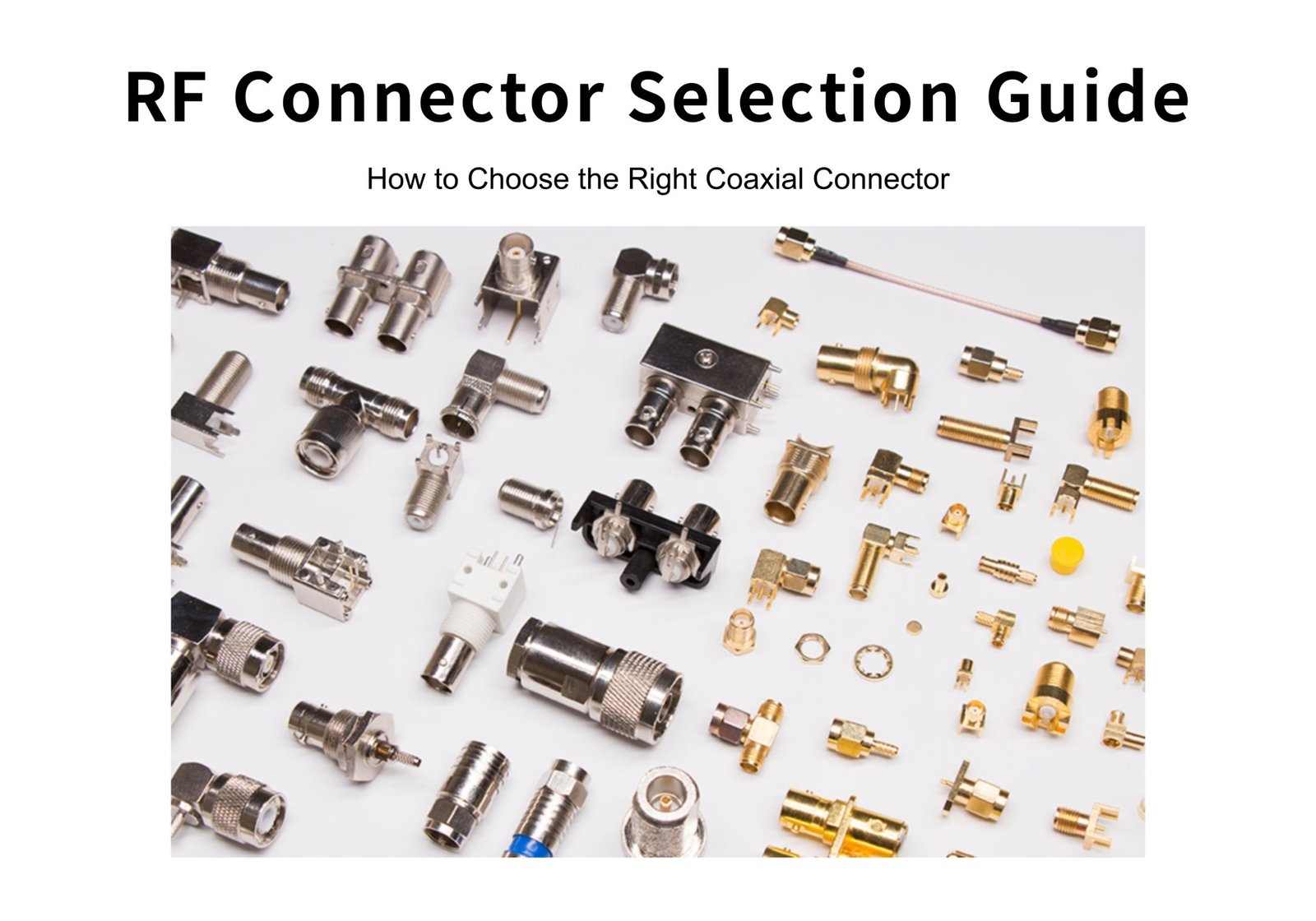
Selecting the right RF connector is crucial for ensuring efficient signal transmission and maintaining the overall performance of your RF system. Whether you’re designing a communication network, radar system, or testing equipment, choosing the right connector can make a significant difference. In this guide, we’ll break down the essential factors to consider when choosing an RF connector.
Factors to Consider When Choosing an RF Connector
When selecting an RF connector, you need to consider several key parameters that affect both performance and durability:
1. Frequency Range
The frequency range of the connector determines the type of signals it can handle. RF connectors are designed for specific frequency bands, and selecting a connector that matches the frequency requirements of your application is critical. For example, connectors designed for high-frequency signals, like 2.4mm or 2.92mm, are ideal for high-frequency microwave and millimeter-wave applications.
2. Impedance
Impedance matching is essential for minimizing signal reflections and ensuring efficient power transfer. RF connectors typically come in 50 ohms or 75 ohms, with 50 ohms being the most common choice for general RF applications like telecommunications. It’s important to match the impedance of the connector with that of the cable and the rest of the system components to avoid performance issues.
3. Power Handling
The power handling capability of a connector is another vital factor to consider, especially in high-power RF systems. Make sure the connector you choose can handle the maximum power levels required for your application without causing excessive heating, signal degradation, or damage. For high-power systems, connectors like N-type or TNC are often preferred due to their durability and performance under high power levels.
4. Mechanical Durability
Mechanical durability refers to the connector’s ability to withstand physical stress, such as vibration, frequent connections, and environmental factors. For applications involving harsh environments or regular handling (like testing or mobile systems), connectors with strong, rugged designs are necessary. Connectors with threaded coupling mechanisms, like SMA and N-type, offer increased durability.
5. Environmental Conditions
Consider the environmental conditions where the RF connector will be used. Factors like temperature, moisture, and exposure to chemicals or other contaminants can influence connector performance. For outdoor or industrial applications, look for connectors that offer high levels of protection against dust, water, and corrosion. Connectors with weatherproof seals and rugged enclosures are ideal for these environments.
Connector Selection Guide
Here’s a quick guide to help you choose the right RF connector based on your application needs:
- For Low Frequency & General Use: Choose connectors like SMA or BNC for applications that require moderate power handling and frequent use, such as Wi-Fi, Bluetooth, and cable systems.
- For High-Power Applications: If you need to handle high-power levels, consider N-type or TNC connectors, which are designed to handle more power and have greater mechanical durability.
- For High-Frequency and Precision Applications: For systems requiring high-frequency performance and minimal signal loss, go for 2.4mm or 2.92mm connectors, which offer superior precision for microwave and millimeter-wave applications.
- For Harsh Environments: For outdoor or industrial systems, choose weatherproof connectors like TNC or N-type, which provide good protection against environmental factors and offer durability in challenging conditions.
Conclusion
Choosing the right RF connector involves understanding your system’s requirements in terms of frequency, impedance, power, and environmental conditions. By carefully considering these factors, you can select a connector that ensures optimal signal performance, durability, and reliability. Always match the connector specifications to your application to prevent signal loss and system failures.
STAY IN FOR MORE NEWS
Subscribe to our free newsletter.


An RF attenuator performing poorly can mess up your whole system. How do you know if that little component is actually doing its job right? Let's look at how you can check.

This guide will clarify key distinctions, explain common pitfalls, and help you make informed decisions when sourcing RF and microwave components.
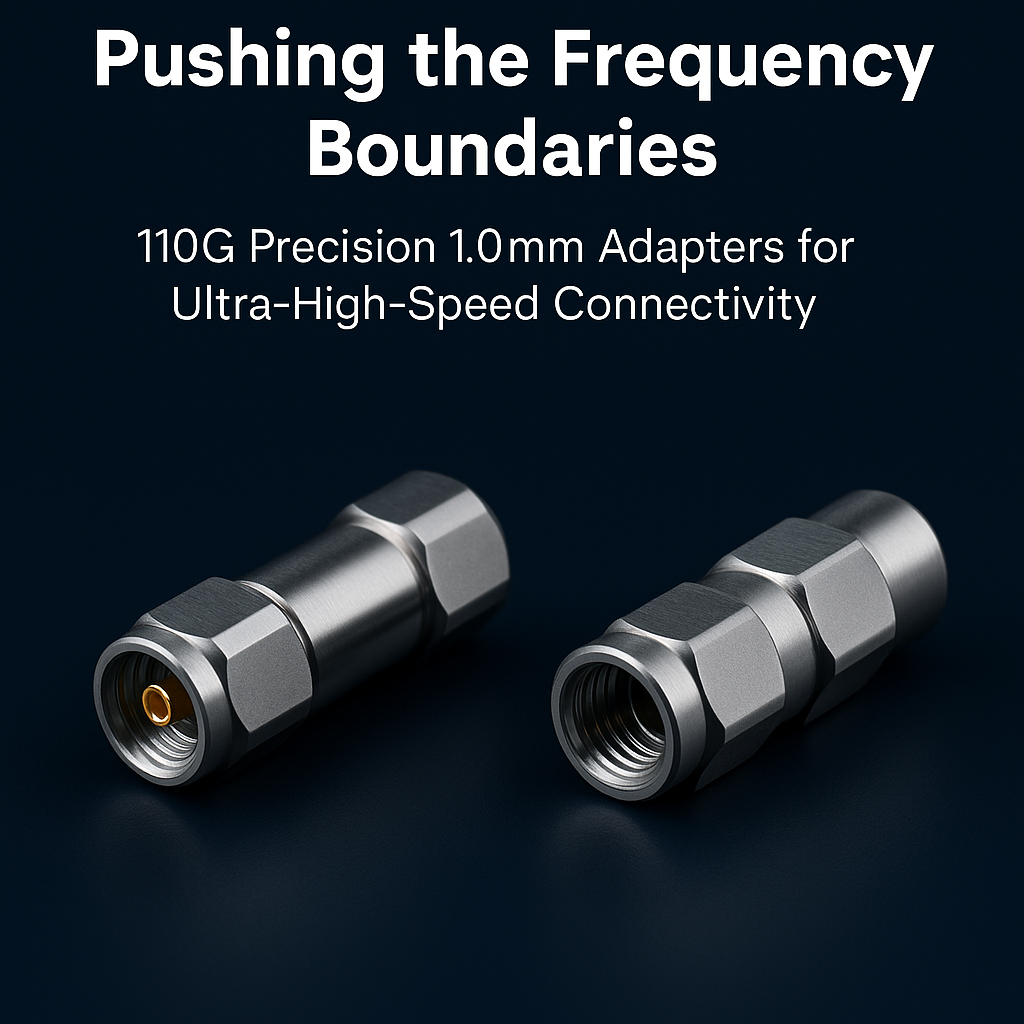
As next-generation RF and millimeter-wave systems push into even higher frequency bands, the demand for ultra-precise interconnect solutions is stronger than ever. Whether for data centers, quantum computing interfaces, or aerospace radar systems, performance beyond 110 GHz is becoming the new frontier.
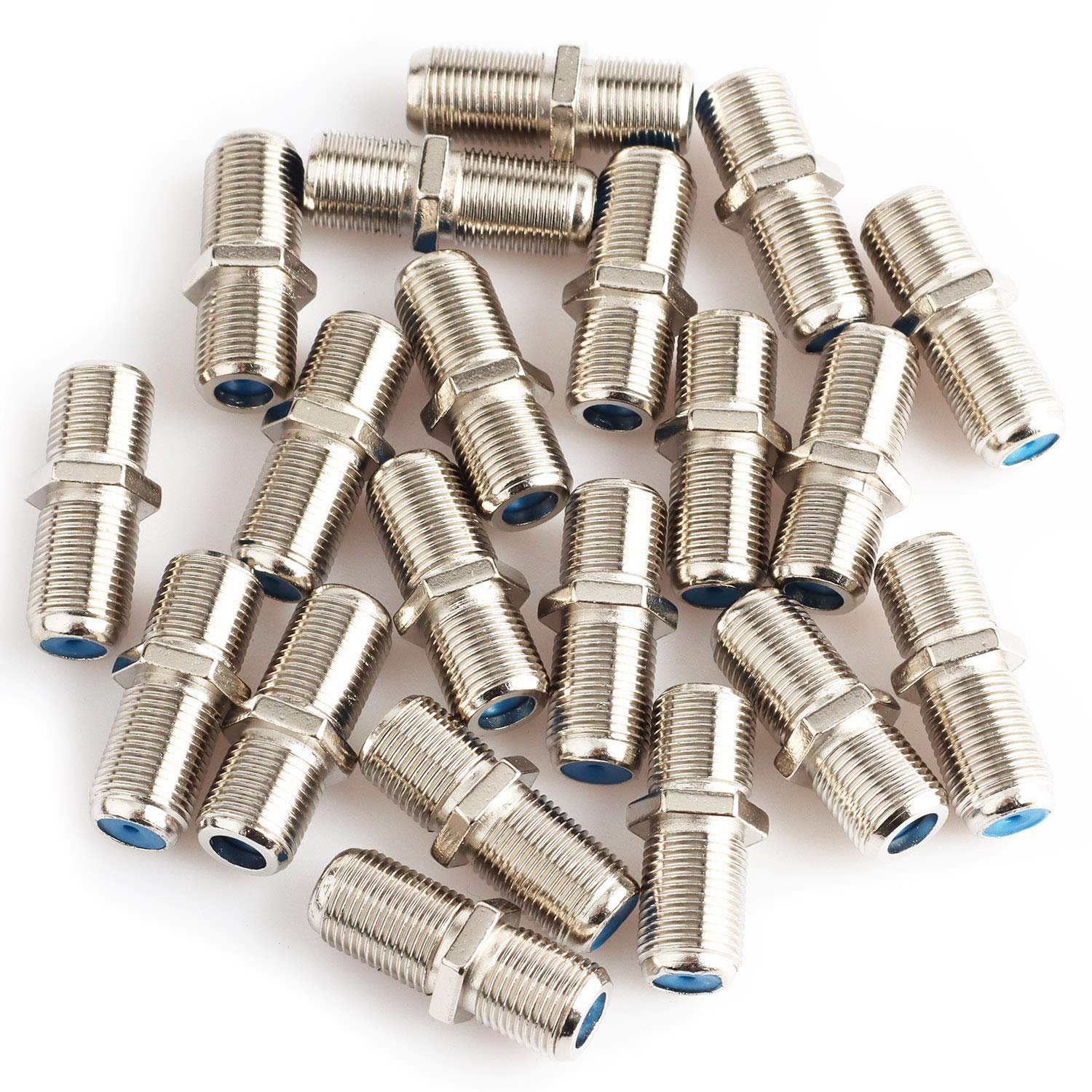
In high-performance communication, aerospace, and defense systems, the role of connectors and adapters cannot be overstated. Precision adapters are crucial to ensure secure, stable, and efficient signal transmission.
