by Angela
Share

The BNC (Bayonet Neill-Concelman) connector is a staple in RF applications, known for its quick-connect/disconnect feature. Introduced in the 1940s, BNC connectors are commonly used for frequencies up to 4 GHz.
Design and Features
-
Bayonet Coupling Mechanism: Allows for quick and secure connections.
-
Available in 50 Ω and 75 Ω: Suitable for various applications.
-
Versatility: Used in both analog and digital signal transmissions.
Common Applications
-
Test Equipment: Oscilloscopes, signal generators, and other lab instruments.
-
Video Transmission: Analog and serial digital interface video signals.
-
Networking: Early computer networks like 10BASE2 Ethernet.
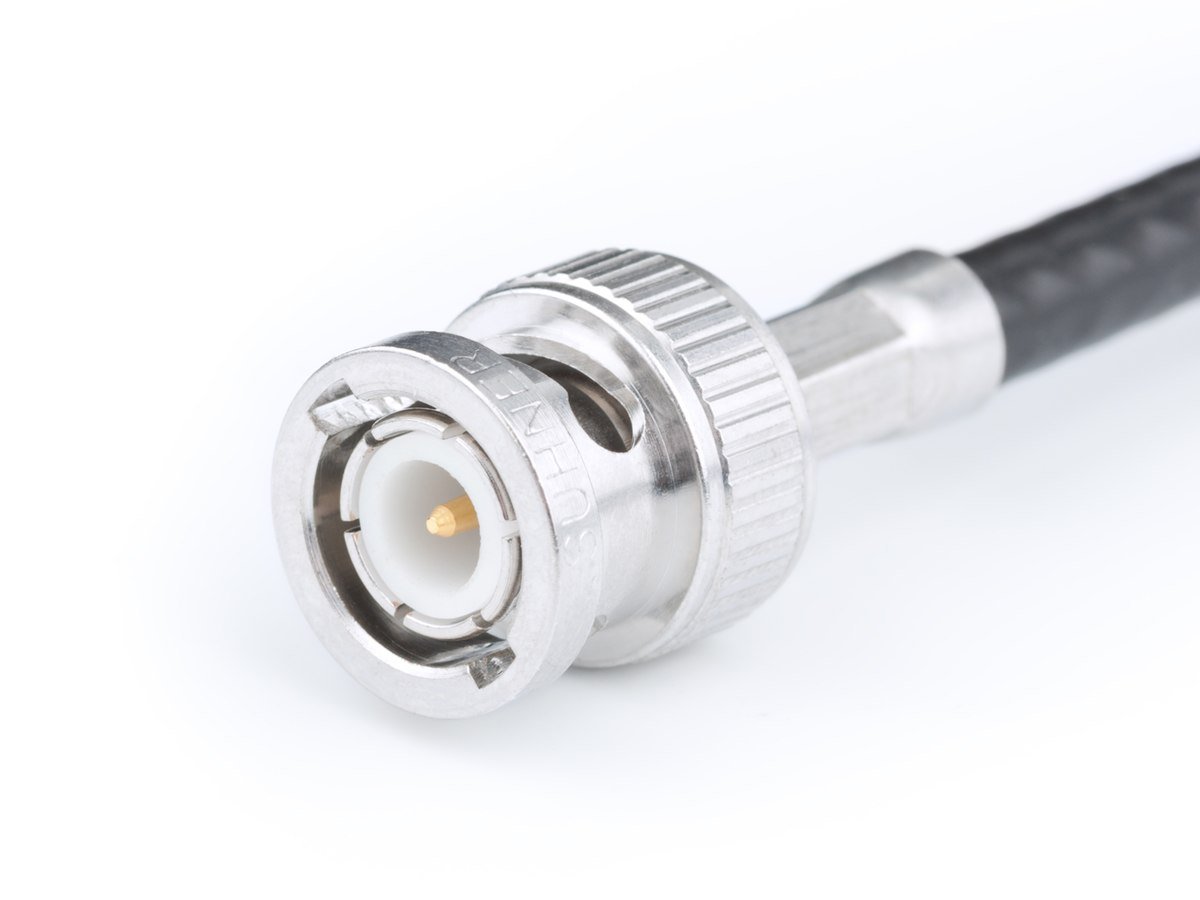
Why Choose Reach-line’s BNC Connectors?
Reach-line offers BNC connectors that provide reliable performance and durability. Our connectors are designed to meet the needs of various industries.Wikipedia
👉 Discover our Precision BNC Series Connectors
STAY IN FOR MORE NEWS
Subscribe to our free newsletter.


An RF attenuator performing poorly can mess up your whole system. How do you know if that little component is actually doing its job right? Let's look at how you can check.

This guide will clarify key distinctions, explain common pitfalls, and help you make informed decisions when sourcing RF and microwave components.
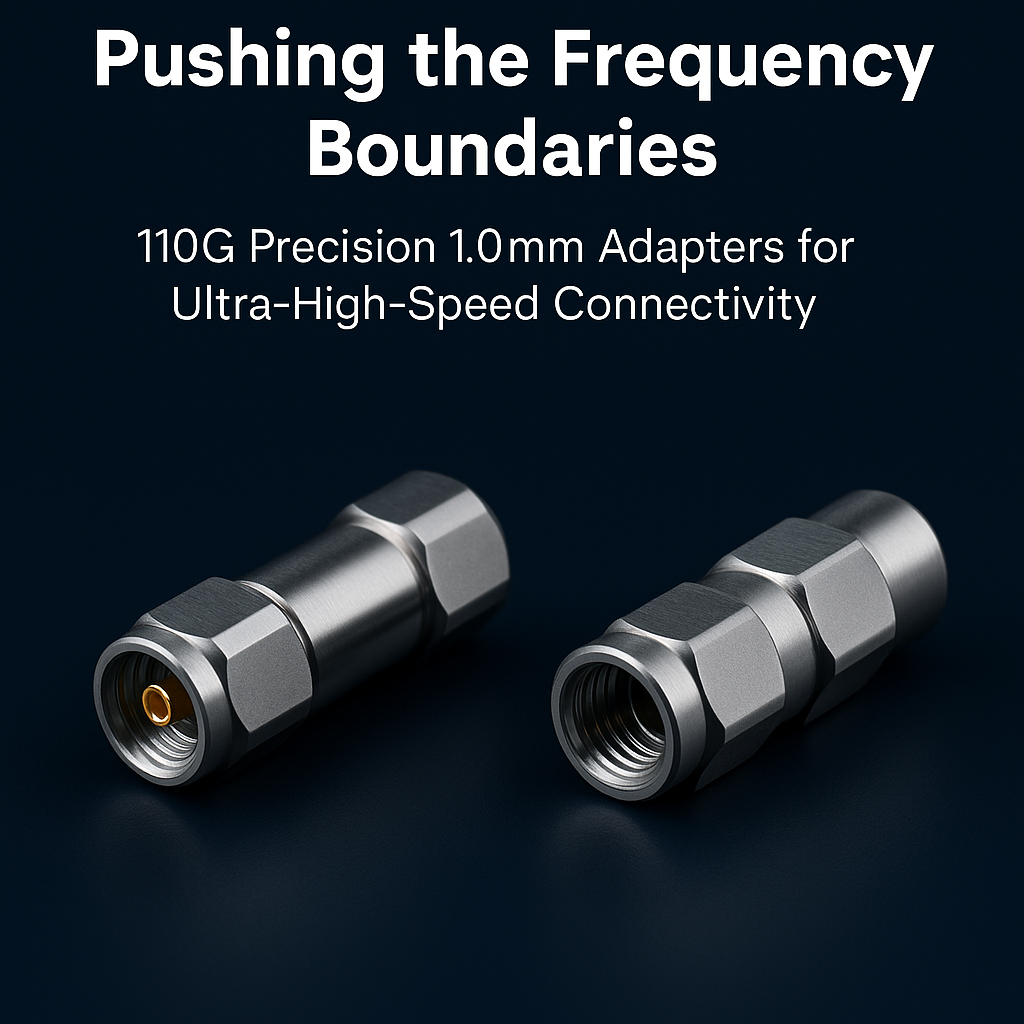
As next-generation RF and millimeter-wave systems push into even higher frequency bands, the demand for ultra-precise interconnect solutions is stronger than ever. Whether for data centers, quantum computing interfaces, or aerospace radar systems, performance beyond 110 GHz is becoming the new frontier.
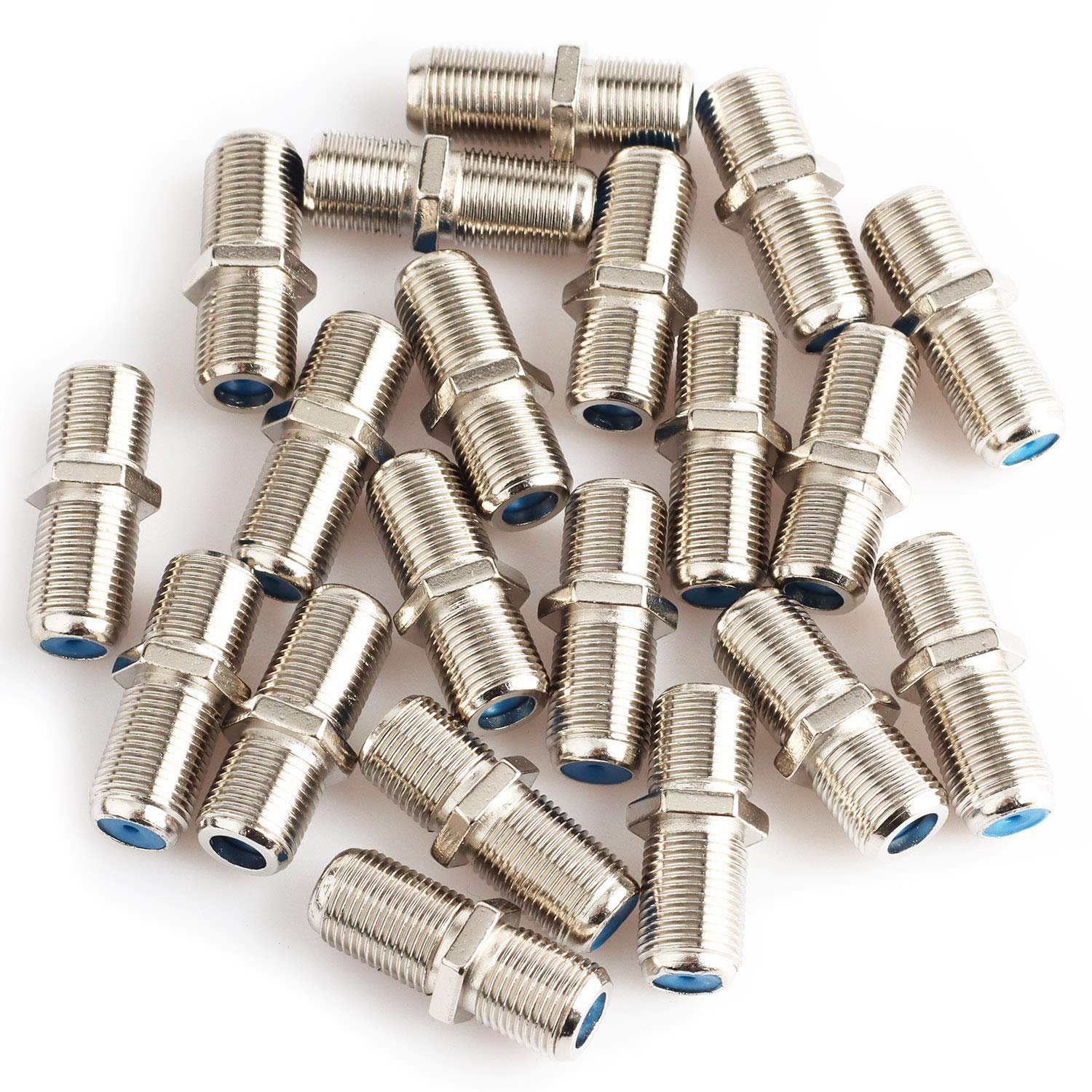
In high-performance communication, aerospace, and defense systems, the role of connectors and adapters cannot be overstated. Precision adapters are crucial to ensure secure, stable, and efficient signal transmission.
