
by Angela
Share
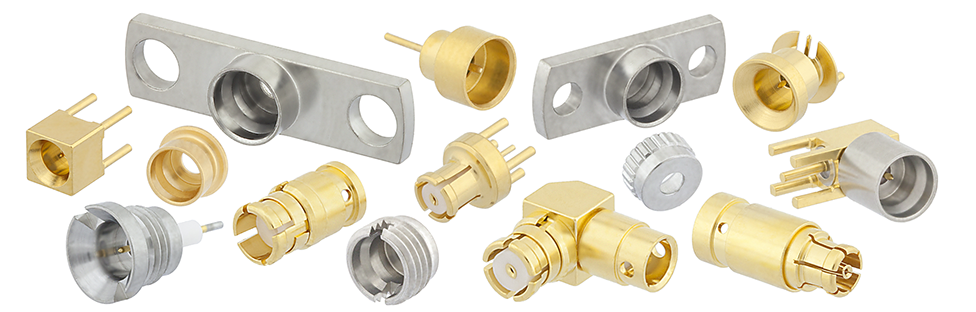
In the realm of high-frequency applications, the SMP (SubMiniature Push-on) connector stands out for its compact design and impressive performance. Operating up to 40 GHz, SMP connectors are ideal for applications requiring high-density packaging and reliable signal integrity.

Design and Features
-
Push-on and Snap-on Mating Styles: Facilitate quick and secure connections.
-
Detent Options: Available in full, limited, and smooth bore to suit various engagement needs.
-
Misalignment Accommodation: Designed to tolerate both radial and axial misalignments, making them suitable for board-to-board connections.
Common Applications
-
Military and Aerospace: Used in radar systems and communication equipment.
-
Medical Devices: Integrated into imaging and diagnostic equipment.
-
Telecommunications: Employed in high-speed data transmission systems.
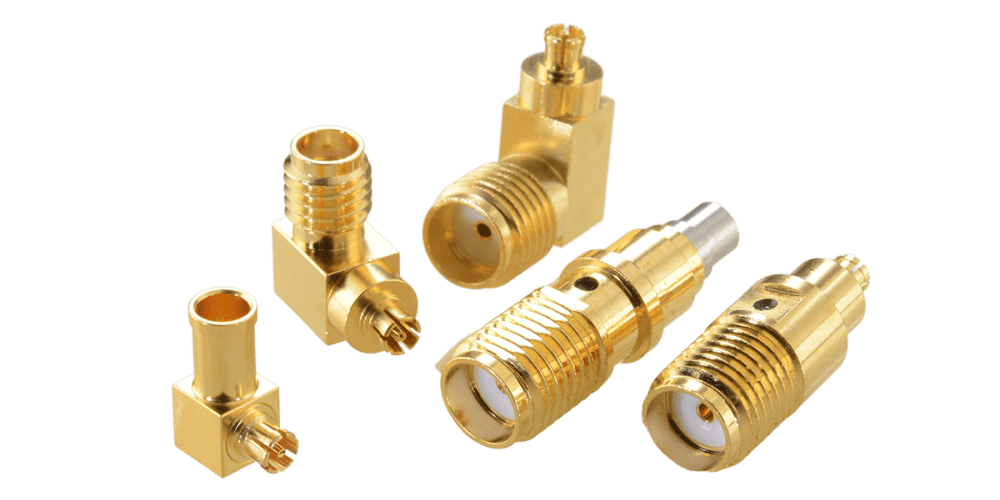
The SSMP (Super SubMiniature Push-on) connector is a miniaturized version of the SMP connector, offering excellent performance up to 65 GHz. Its compact size makes it ideal for applications where space is at a premium.
Design and Features
-
Blind-Mate Capability: Allows for easy connections without visual alignment.
-
High-Frequency Performance: Operates efficiently up to 65 GHz.
-
Compact Design: Approximately 30% smaller than standard SMP connectors.
Common Applications
-
Phased Array Systems: Utilized in advanced radar and communication systems.
-
Satellites: Integrated into compact satellite communication modules.
-
Medical Imaging: Employed in high-resolution imaging equipment.
Why Choose Reach-line’s SMP Connectors?
At Xi’an Reach-line Technology Co., Ltd., we offer high-precision SMP connectors that meet stringent industry standards. Our products ensure reliable performance in demanding environments.
👉 Explore our Precision SMP Series Connectors
STAY IN FOR MORE NEWS
Subscribe to our free newsletter.


An RF attenuator performing poorly can mess up your whole system. How do you know if that little component is actually doing its job right? Let's look at how you can check.

This guide will clarify key distinctions, explain common pitfalls, and help you make informed decisions when sourcing RF and microwave components.
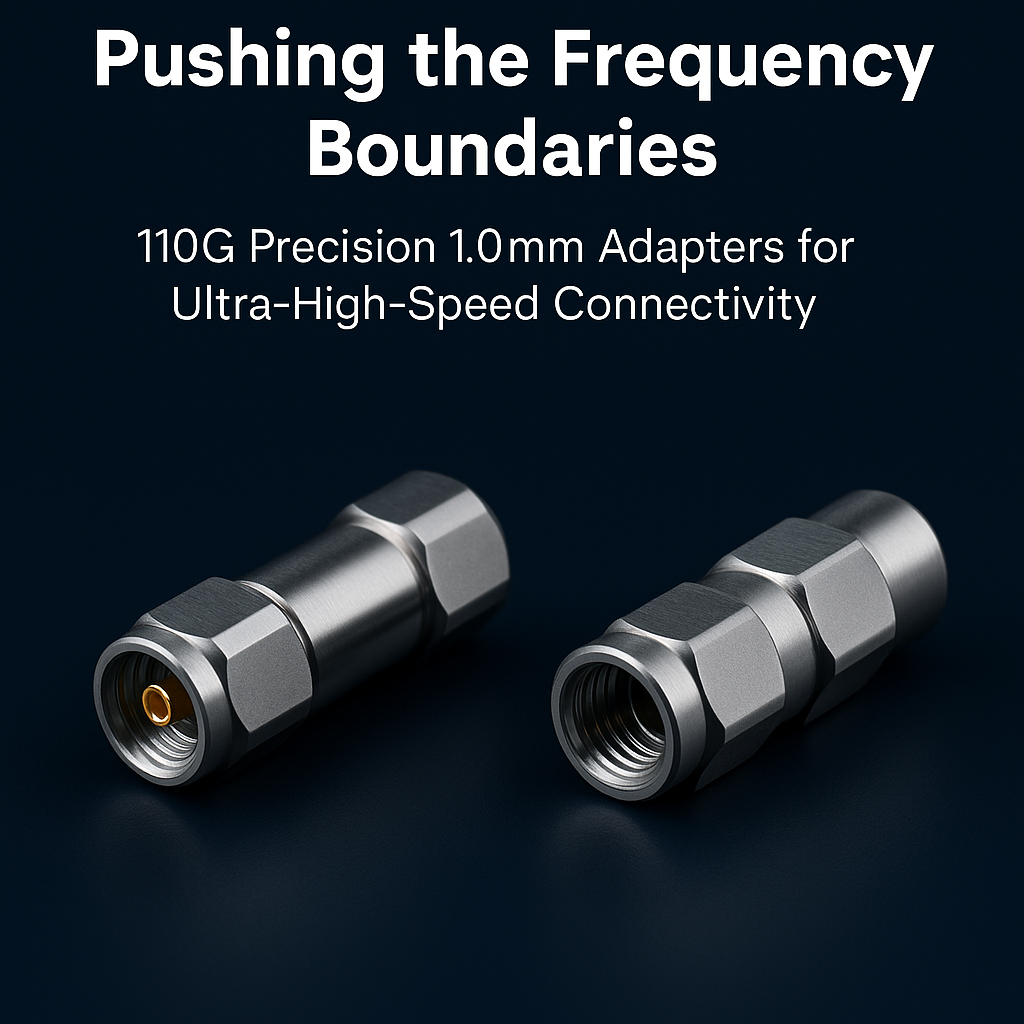
As next-generation RF and millimeter-wave systems push into even higher frequency bands, the demand for ultra-precise interconnect solutions is stronger than ever. Whether for data centers, quantum computing interfaces, or aerospace radar systems, performance beyond 110 GHz is becoming the new frontier.
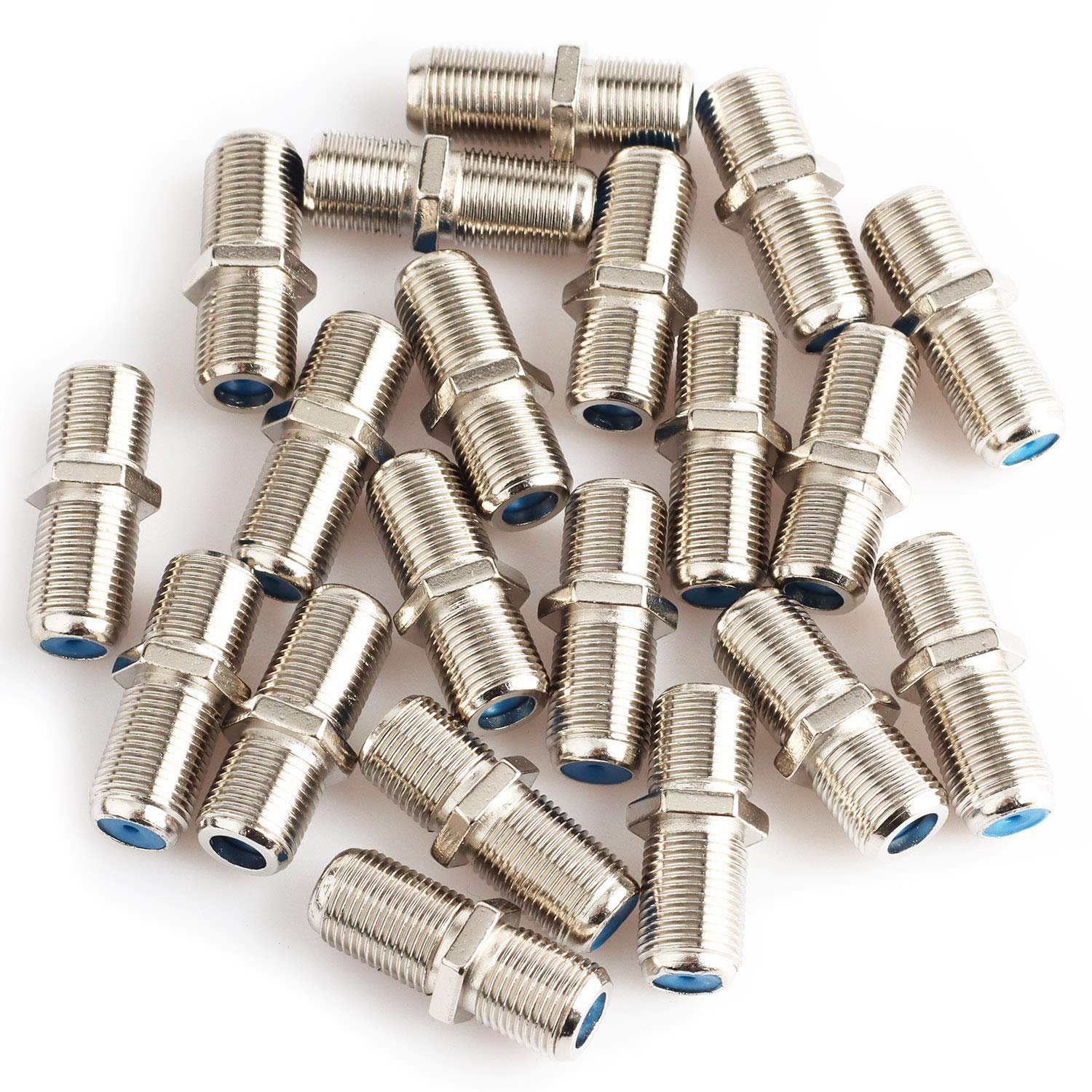
In high-performance communication, aerospace, and defense systems, the role of connectors and adapters cannot be overstated. Precision adapters are crucial to ensure secure, stable, and efficient signal transmission.
