by Angela
Share

In the world of electromagnetic waves, RF (Radio Frequency), Microwave, and Millimeter Wave (MMW) are essential frequency ranges used for communication and other technologies. While they share similarities, each band has unique characteristics and specific applications. In this blog, we will explore the differences between RF vs Microwave vs Millimeter Wave, their uses, and future trends in these technologies.
What Is RF?
RF (Radio Frequency) refers to electromagnetic waves with frequencies ranging from 3 kHz to 300 GHz. RF waves are widely used in communication systems, including AM and FM radio, television broadcasting, cell phones, and Wi-Fi. The RF spectrum is divided into several sub-bands, each optimized for different applications.
What Is Microwave?
Microwave refers to electromagnetic waves in the frequency range of 300 MHz to 300 GHz, which falls within the RF spectrum. Microwaves are typically used for point-to-point communication, satellite transmissions, radar systems, and microwave ovens. This frequency range is particularly known for its ability to carry high data rates over long distances.
What Is Millimeter Wave?
Millimeter Wave (MMW) refers to electromagnetic waves with frequencies between 30 GHz and 300 GHz, corresponding to wavelengths between 1 millimeter and 10 millimeters. MMW technology is increasingly used in 5G networks, high-definition radar, and medical imaging due to its ability to support high data rates and short-range communication.
Key Differences Between RF, Microwave, and Millimeter Wave
- Frequency Range:
- RF: 3 kHz to 300 GHz
- Microwave: 300 MHz to 300 GHz (a subset of RF)
- Millimeter Wave: 30 GHz to 300 GHz (a subset of Microwave)
- Wavelength:
- RF: Wavelengths range from 100 km (low-frequency) to 1 mm (high-frequency)
- Microwave: Wavelengths range from 1 meter to 1 millimeter
- Millimeter Wave: Wavelengths range from 1 mm to 10 mm
- Data Transmission:
- RF: Suitable for both short-range and long-range communication with moderate data rates.
- Microwave: Ideal for long-range transmission and higher data rates than traditional RF.
- Millimeter Wave: Supports ultra-high data rates over short distances.
- Propagation Characteristics:
- RF: RF waves can travel long distances and penetrate through various materials.
- Microwave: Microwave signals are less affected by weather but are more prone to interference from obstacles like buildings.
- Millimeter Wave: Millimeter waves have limited range and are highly susceptible to atmospheric absorption and weather conditions (e.g., rain).
Applications of RF, Microwave, and Millimeter Wave
- RF:
- Radio and television broadcasting
- Mobile networks (4G, 5G)
- Wi-Fi and Bluetooth
- GPS systems
- Microwave:
- Satellite communications
- Radar systems (air traffic control, weather radar)
- Microwave ovens
- Point-to-point wireless communication
- Millimeter Wave:
- 5G and beyond (high-speed wireless communication)
- High-definition radar systems
- Medical imaging (e.g., millimeter wave scanners)
- Security screening and sensing technologies
Future Trends in RF, Microwave, and Millimeter Wave
As technology advances, we can expect significant growth and innovation in these frequency bands:
- 5G and Beyond: Millimeter wave technology will play a pivotal role in the future of wireless communication, especially for ultra-high-speed data transmission in 5G networks.
- Automated Systems: Microwaves and millimeter waves will be essential for autonomous vehicles, as radar and sensing systems rely on these frequencies for real-time environment detection.
- Medical and Industrial Uses: The demand for millimeter wave technology in medical imaging and industrial applications is growing due to its ability to provide precise data with minimal interference.
- Internet of Things (IoT): RF and microwave frequencies will continue to support the growth of IoT, where a range of devices need reliable and efficient communication.
Conclusion
Understanding the differences between RF vs Microwave vs Millimeter Wave is critical for selecting the right technology for various applications. Each frequency band offers unique advantages and is used in specific fields like communication, radar, and medical imaging. As technology evolves, these frequency ranges will continue to drive innovations in 5G, IoT, and beyond.
STAY IN FOR MORE NEWS
Subscribe to our free newsletter.
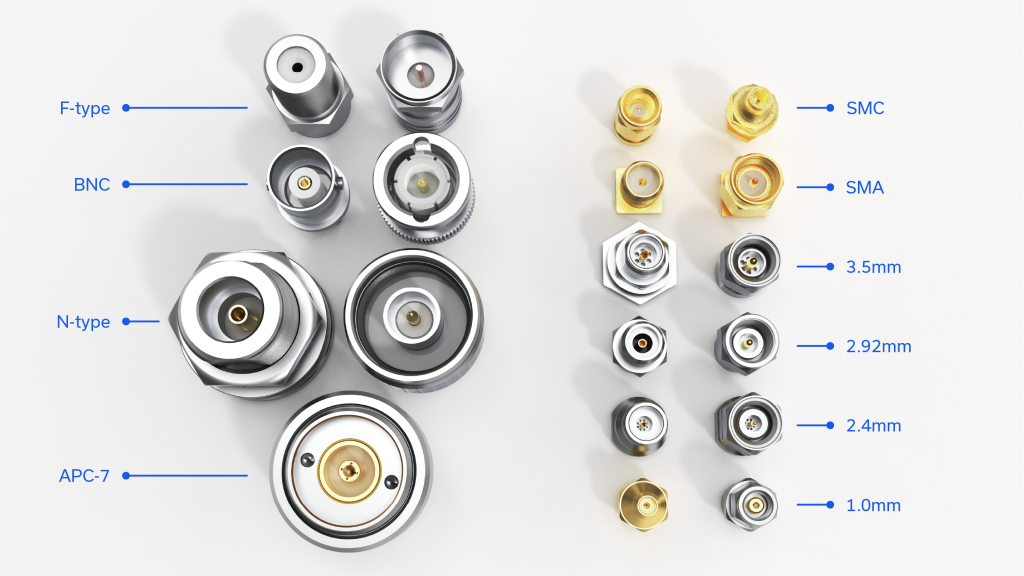
RF connectors are essential components in RF systems, enabling the transmission of high-frequency signals between devices. Understanding different RF connector types is crucial for ensuring proper system performance and minimizing signal loss. In this guide, we will explore the various types of RF connectors, their classifications, and common examples used in the industry. Classification of
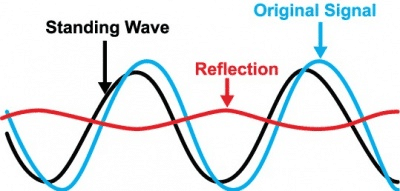
In the world of RF (Radio Frequency) systems, efficient power transmission is critical for the performance and reliability of communication systems. One of the most important parameters in ensuring efficient power transmission is VSWR (Voltage Standing Wave Ratio). In this blog, we’ll explore what VSWR is, its causes, and its effects on RF systems. What
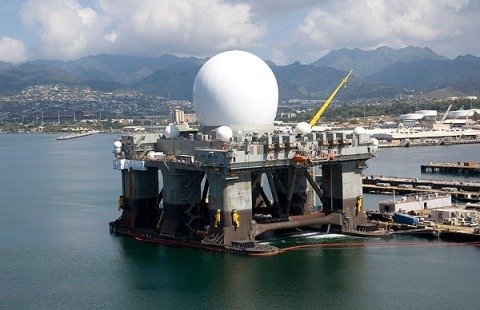
Basically, radar is used to collect the information related to the object or target like its range and location by radiating electromagnetic energy and examining the echo received from the distant object.
Introduction In RF and microwave systems, different components often use different connector interfaces. Connecting these devices directly may not always be possible. This is where RF adapters become essential. An RF adapter allows two RF connectors with different interfaces to be connected easily while maintaining proper impedance and signal performance. These adapters are widely used
