by Angela
Share
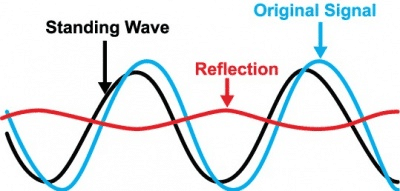
In the world of RF (Radio Frequency) systems, efficient power transmission is critical for the performance and reliability of communication systems. One of the most important parameters in ensuring efficient power transmission is VSWR (Voltage Standing Wave Ratio). In this blog, we’ll explore what VSWR is, its causes, and its effects on RF systems.
What is VSWR?
VSWR, or Voltage Standing Wave Ratio, is a measure of the efficiency with which RF power is transmitted through a transmission line. It indicates the ratio of the maximum voltage to the minimum voltage along the transmission line.
In an ideal transmission line system, all of the power is transferred from the source to the load without any reflection. This results in a VSWR of 1:1, meaning there are no standing waves, and the power is efficiently transmitted. However, in real-world systems, imperfections cause a deviation from this ideal.
A VSWR greater than 1:1 indicates that there is a reflection of RF power due to some form of impedance mismatch. The larger the ratio, the greater the amount of reflected power, which can result in inefficiency and potential system failures.
Effects of High VSWR on RF Systems
A high VSWR can have several detrimental effects on the performance and longevity of RF systems:
- Signal Reflection: When there is a mismatch in impedance, a portion of the signal is reflected back towards the source. This results in interference that can degrade the quality of the transmitted signal, leading to communication problems such as reduced range, signal loss, or even complete signal failure.
- Power Loss: Reflected power represents energy that is not being transmitted to the load. This reduces the overall power efficiency of the system, leading to wasted energy and, in some cases, causing overheating of RF components.
- Equipment Damage: Prolonged exposure to high levels of reflected power can cause damage to sensitive equipment like transmitters and amplifiers. High reflected power can overload components, leading to overheating or even permanent failure in some instances.
- Reduced System Performance: Overall system performance degrades as a result of high VSWR. For instance, in communication systems, high VSWR leads to signal distortion, lower data transmission speeds, and unreliable communication links.
How to Maintain Low VSWR
To achieve optimal system performance, it’s essential to minimize VSWR. Here are some best practices for maintaining low VSWR:
- Proper Impedance Matching: Ensure that the impedance of all components in the transmission line (source, cables, connectors, and load) match. The most common characteristic impedance for RF systems is 50 ohms, but the system might require other values depending on the application.
- High-Quality Connectors: Use high-quality, properly installed connectors to ensure a solid, low-resistance connection between components. This helps avoid issues related to reflection caused by poor connections.
- Regular Cable Inspection: Regularly inspect cables for any signs of wear, cuts, or physical damage. Replacing or repairing damaged cables promptly can prevent the introduction of impedance mismatches.
- Installation Practices: Follow proper installation guidelines for RF components. This includes ensuring that components are correctly aligned and that there is no undue stress or bending on the cables.
Conclusion
Maintaining a low VSWR is essential for efficient power transmission and reliable RF system performance. Proper impedance matching, quality connectors, and regular maintenance are key to minimizing VSWR and avoiding system issues.
STAY IN FOR MORE NEWS
Subscribe to our free newsletter.

In the world of high-frequency communication systems, **RF cables** are often the unsung heroes that carry critical signals. Whether it's for wireless communication, satellite links, or laboratory setups, selecting the right RF cable can make or break the reliability and performance of your system.

First of all, in the OTA environment, it is necessary to establish communication between the corresponding measurement tool and the measuring device, and then perform the corresponding measurement through the air test.

As a flexible customer-focused company, we offer several options to meet your different needs.
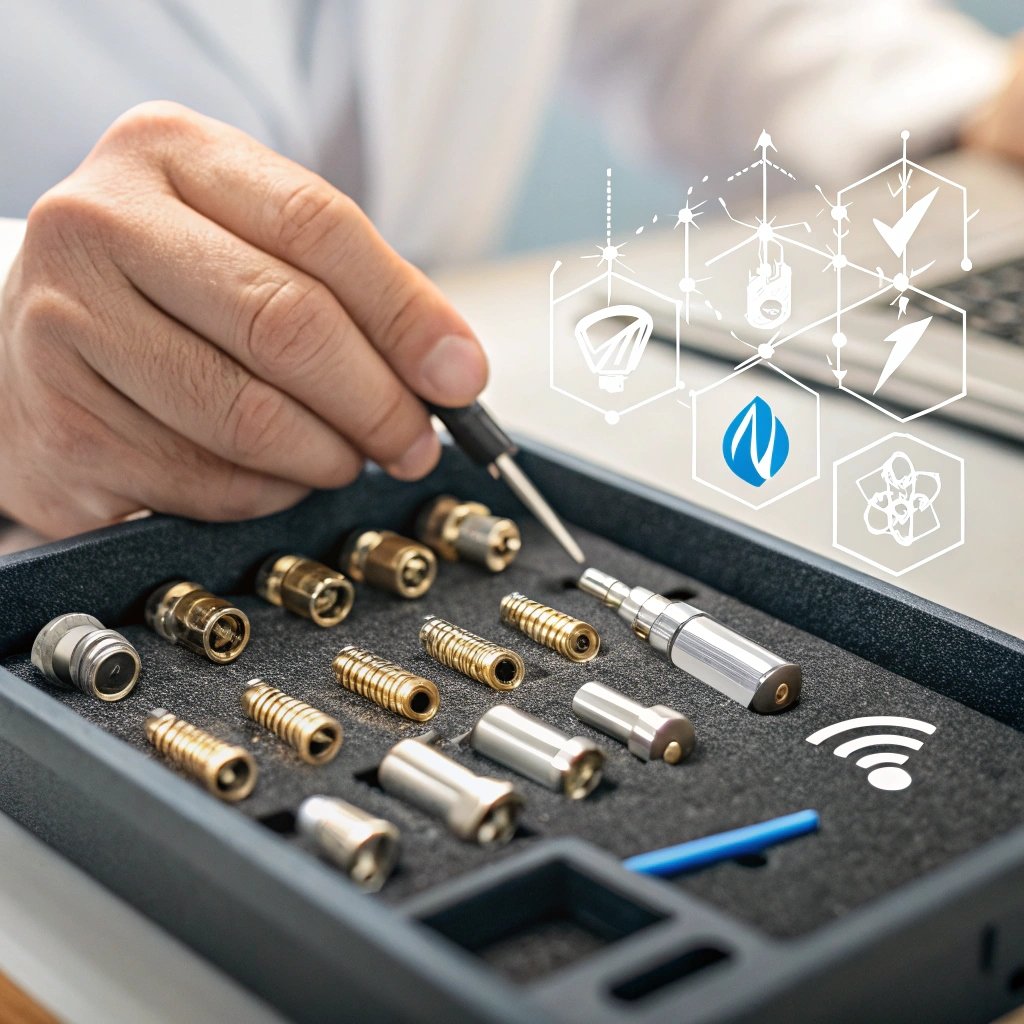
Choosing the wrong RF adapter can ruin your signal integrity. With so many connector types, how do you pick the right one? Let's simplify the process.
