by Angela
Share
Introduction
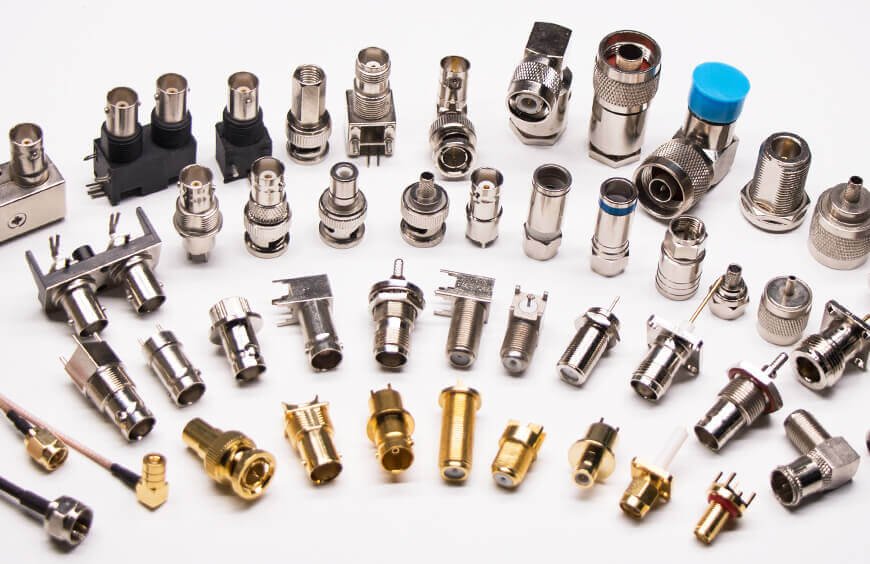
RF connectors are essential components in modern communication and electronic systems. They are designed to connect coaxial cables to various RF devices while maintaining signal integrity and minimizing signal loss. From wireless communication and satellite systems to test equipment and radar technology, RF connectors play a critical role in ensuring reliable transmission of high-frequency signals.
As communication technologies continue to evolve, the demand for high-performance RF connectors has grown significantly. Engineers and system designers must select the right connector type to ensure optimal performance, durability, and compatibility with their equipment.
In this guide, we will explore what RF connectors are, the most common types available, key technical parameters, and how to choose the right RF connector for your application.
What Is an RF Connector?
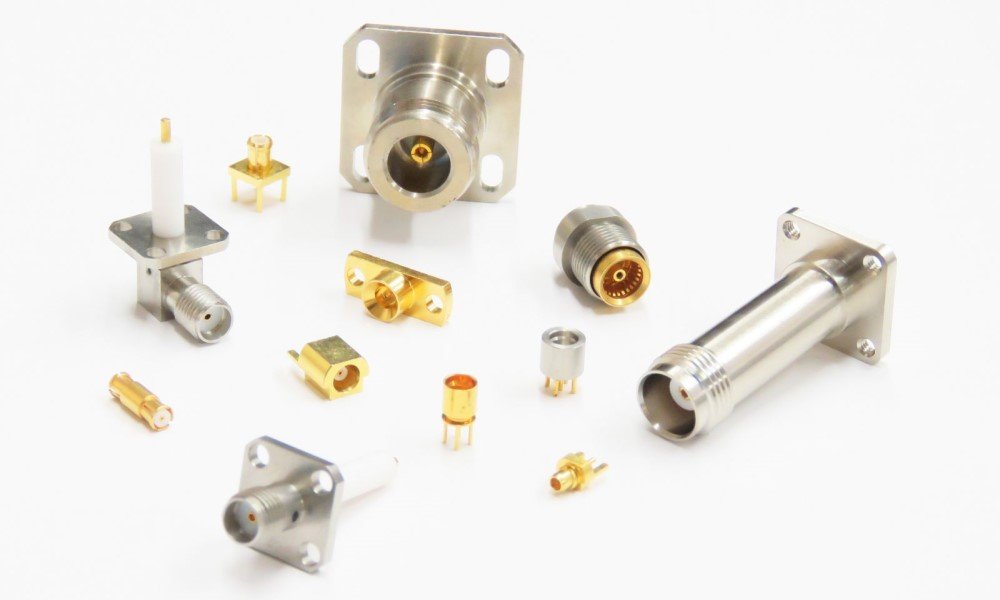
An RF connector is a specialized electrical connector designed to carry radio frequency signals. These connectors are typically used with coaxial cables and are engineered to operate at frequencies ranging from a few megahertz (MHz) to tens of gigahertz (GHz).
Unlike standard electrical connectors, RF connectors are designed to maintain consistent impedance and shielding. This ensures that signals can travel through the connection with minimal reflection, interference, or loss.
Most RF connectors are designed with specific mechanical structures that allow them to maintain stable electrical performance even in demanding environments. These connectors are widely used in telecommunications, aerospace systems, wireless networks, and electronic testing equipment.
Common Types of RF Connectors
There are many types of RF connectors available, each designed for specific frequency ranges and applications. Below are some of the most commonly used RF connectors in modern RF systems.
SMA Connectors
SMA (SubMiniature version A) connectors are one of the most widely used RF connectors in high-frequency applications. They use a threaded coupling mechanism that provides a secure connection and stable electrical performance.
SMA connectors typically support frequencies up to 18 GHz or higher and are commonly used in wireless communication devices, antennas, and microwave systems.
N Type Connectors
N type connectors are larger RF connectors designed for higher power applications. They also use a threaded coupling mechanism and offer excellent durability and weather resistance.
These connectors are often used in outdoor communication systems, base stations, and antenna systems. N type connectors typically operate up to around 11 GHz.
BNC Connectors
BNC connectors use a bayonet locking mechanism that allows for quick connection and disconnection. They are widely used in video systems, test equipment, and radio communication systems.
BNC connectors are easy to use and reliable, although they typically support lower frequencies compared to SMA connectors.
TNC Connectors
TNC connectors are similar to BNC connectors but use a threaded coupling mechanism instead of a bayonet lock. This provides better performance at higher frequencies and improved connection stability.
Precision RF Connectors
Precision RF connectors such as 2.92mm, 2.4mm, and 1.85mm connectors are designed for high-frequency microwave and millimeter-wave applications. These connectors are commonly used in laboratory testing equipment and advanced communication systems where extremely high frequencies are required.
Key Technical Parameters of RF Connectors
When selecting an RF connector, engineers must consider several important technical parameters that affect signal performance.
Frequency Range
The frequency range of an RF connector determines the maximum frequency it can handle without significant signal degradation. Different connectors are designed for different frequency ranges, so selecting the correct connector is essential for maintaining signal quality.
Impedance
Most RF connectors are designed with a characteristic impedance of either 50 ohms or 75 ohms. Maintaining consistent impedance throughout the system is critical to prevent signal reflection and power loss.
In many communication and RF systems, 50 ohm connectors are the standard choice.
VSWR (Voltage Standing Wave Ratio)
VSWR is an important parameter that measures how efficiently RF power is transmitted from the source to the load. A lower VSWR indicates better signal transmission and less reflection.
High-quality RF connectors are designed to maintain low VSWR values even at high frequencies.
Insertion Loss
Insertion loss refers to the amount of signal power lost when the connector is inserted into a transmission line. Lower insertion loss is desirable because it ensures stronger signal transmission and better system performance.
Durability
Mechanical durability is another important consideration. RF connectors may need to withstand repeated mating cycles, vibration, and harsh environmental conditions. High-quality connectors are designed to provide reliable performance over long periods of use.
Applications of RF Connectors
RF connectors are used in a wide range of industries and technologies. Their ability to transmit high-frequency signals reliably makes them essential components in many modern systems.
Wireless Communication
RF connectors are widely used in wireless communication systems, including cellular networks, Wi-Fi equipment, and radio transmitters.
Satellite Communication
Satellite systems require high-performance RF connectors to transmit signals between antennas, amplifiers, and receivers.
Aerospace and Defense
In aerospace and defense applications, RF connectors are used in radar systems, avionics equipment, and electronic warfare systems.
Test and Measurement Equipment
RF connectors are commonly found in laboratory instruments such as signal generators, spectrum analyzers, and network analyzers.
Antenna Systems
Many antenna systems rely on RF connectors to connect cables and transmit signals efficiently.
How to Choose the Right RF Connector
Selecting the correct RF connector depends on several important factors.
Frequency Requirements
The connector must support the operating frequency of the system. High-frequency systems often require precision RF connectors such as 2.92mm or 2.4mm connectors.
Impedance Matching
Ensure that the connector impedance matches the impedance of the cable and system components.
Mechanical Design
Consider the size, coupling mechanism, and installation requirements. Some applications require compact connectors, while others require connectors that can handle high power.
Environmental Conditions
For outdoor or harsh environments, connectors with strong durability and environmental resistance should be selected.
Compatibility
The connector must be compatible with the coaxial cable and equipment being used.
Conclusion
RF connectors are critical components in high-frequency communication systems. Their design ensures that signals can be transmitted efficiently between cables, devices, and antennas without significant loss or interference.
Understanding the different types of RF connectors and their key technical parameters can help engineers choose the most suitable connector for their applications. Factors such as frequency range, impedance, VSWR, and mechanical durability should always be considered during the selection process.
As RF technologies continue to advance, high-quality connectors will remain essential for ensuring reliable signal transmission in modern communication systems.
STAY IN FOR MORE NEWS
Subscribe to our free newsletter.

Introduction RF connectors are essential components used in communication systems to transmit high-frequency signals. Among the many types of RF connectors available, SMA connectors and N type connectors are two of the most widely used. Both connectors are designed for coaxial cable connections, but they differ significantly in size, frequency performance, power handling capability, and
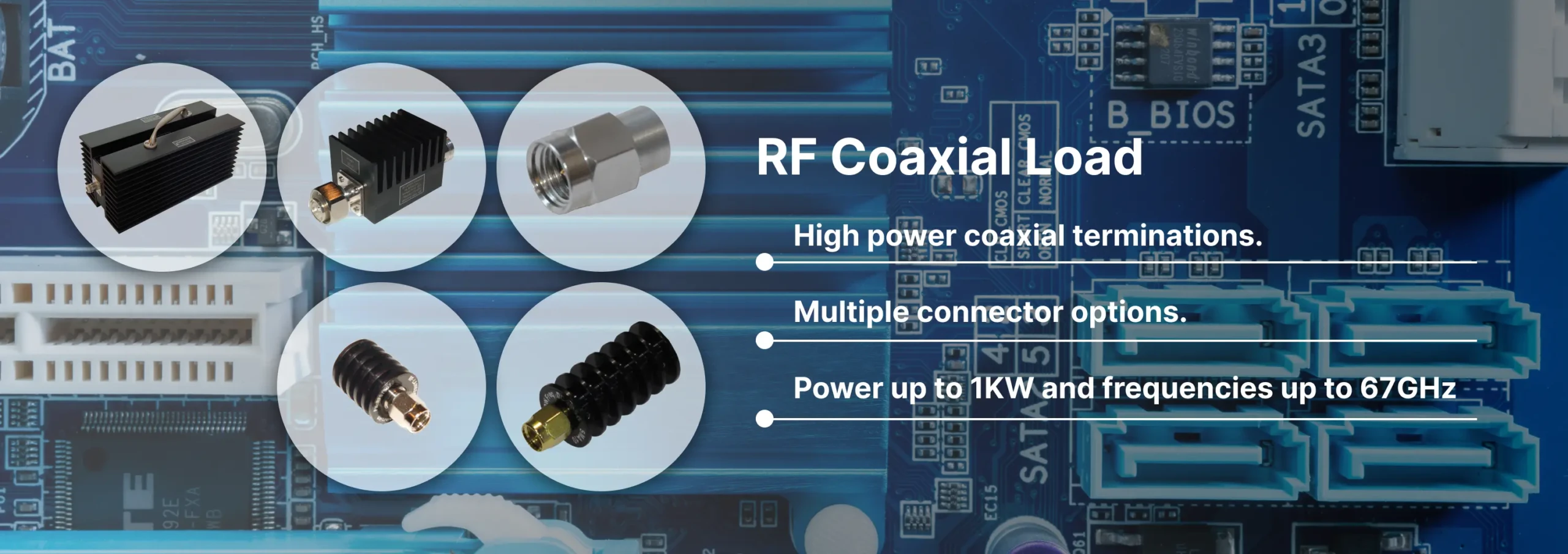
Discover Reach-Line’s precision RF and microwave terminations covering DC to 110 GHz and power levels 1 W to 1000 W. Reliable, low VSWR solutions for 5G, satellite, and lab applications.
Reach-Line offers high-frequency cable assemblies, fixed attenuators, and precision terminations. Partner for engineering support, rapid prototyping, and global logistics.

In the realm of high-frequency applications, the SMA (SubMiniature version A) connector stands out as a compact yet powerful component. Developed in the 1960s, SMA connectors are designed for applications up to 18 GHz, with some precision versions extending to 26.5 GHz.
