
by Angela
Share
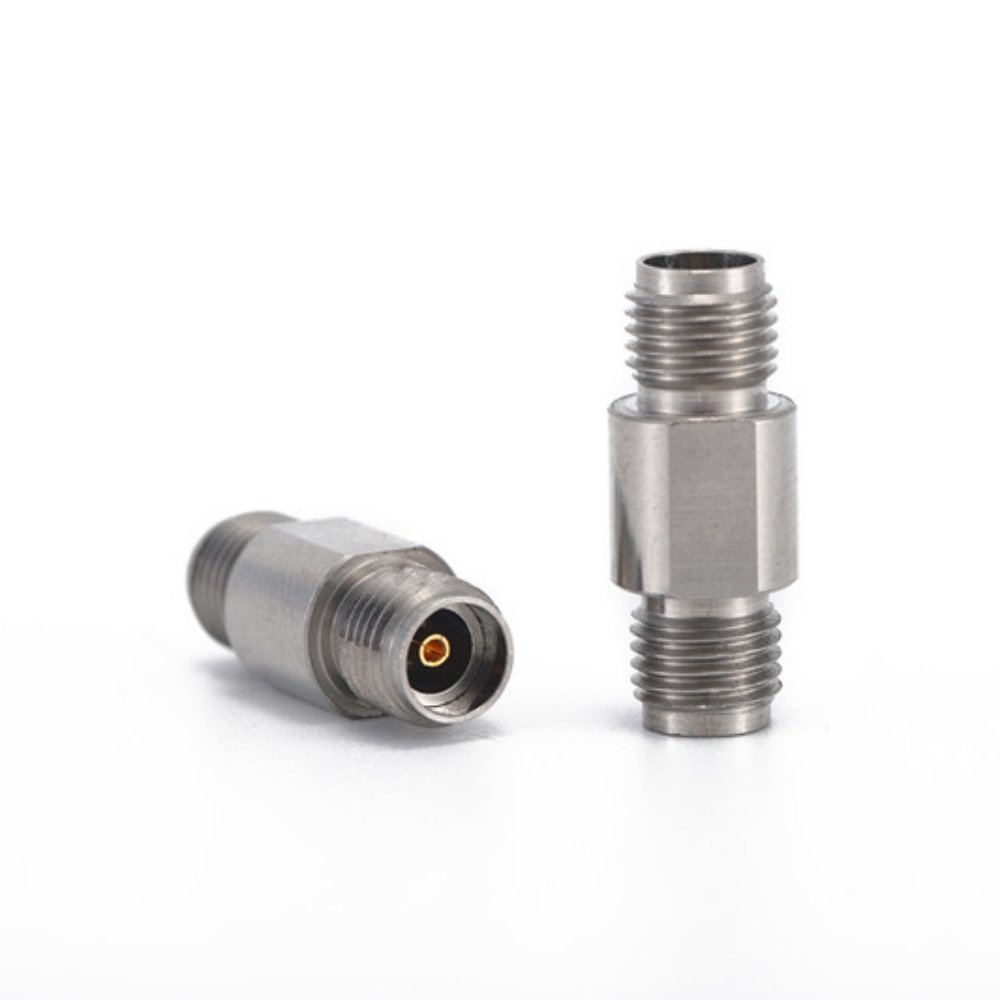
The 3.5mm adapter is an indispensable component for high-frequency 50-ohm RF systems, ensuring signal integrity and exceptional performance. Known for its precision and ability to operate at frequencies up to 34 GHz, this adapter is widely used across telecommunications, aerospace, and defense industries, where reliable RF connections are critical.
Why Choose the 3.5mm Adapter?
- Seamless Impedance Matching
Designed for minimal signal loss and reflection, the 3.5mm adapter maintains 50-ohm impedance, preventing degradation in high-frequency environments. - Durable Construction
Built with high-quality materials, it withstands repeated use, offering long-term reliability even in demanding applications.
Applications
- Telecommunications: Connect test equipment, verify performance of antennas and amplifiers, and ensure accurate signal measurement.
- Aerospace & Defense: Essential for radar systems and satellite communications, providing low-loss, high-frequency performance.
- Laboratories & Research: Ideal for testing and development, maintaining signal integrity for accurate results.
Conclusion:
For industries requiring high-frequency precision, the 3.5mm adapter is a trusted solution, delivering consistent performance and unmatched reliability in RF applications. Optimize your system today with this essential RF component!
STAY IN FOR MORE NEWS
Subscribe to our free newsletter.

Basically, radar is used to collect the information related to the object or target like its range and location by radiating electromagnetic energy and examining the echo received from the distant object.
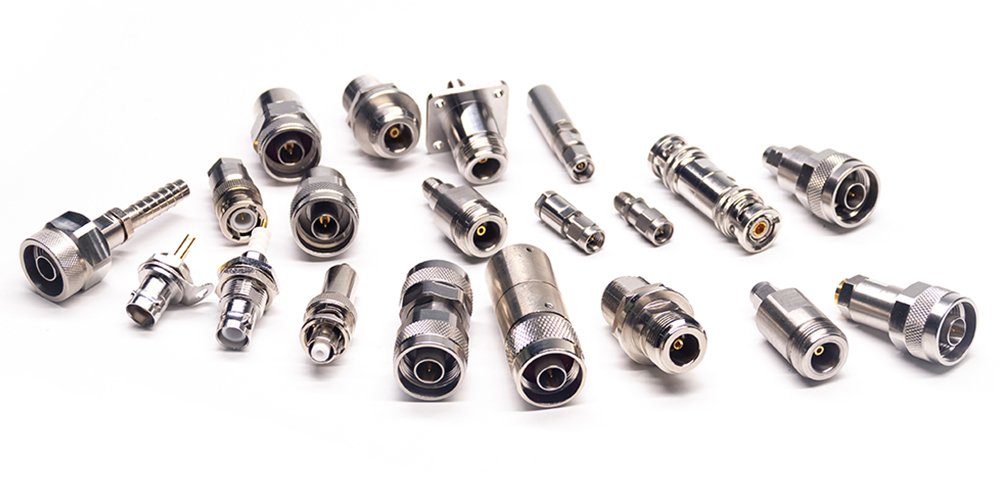
Introduction In RF and microwave systems, different components often use different connector interfaces. Connecting these devices directly may not always be possible. This is where RF adapters become essential. An RF adapter allows two RF connectors with different interfaces to be connected easily while maintaining proper impedance and signal performance. These adapters are widely used
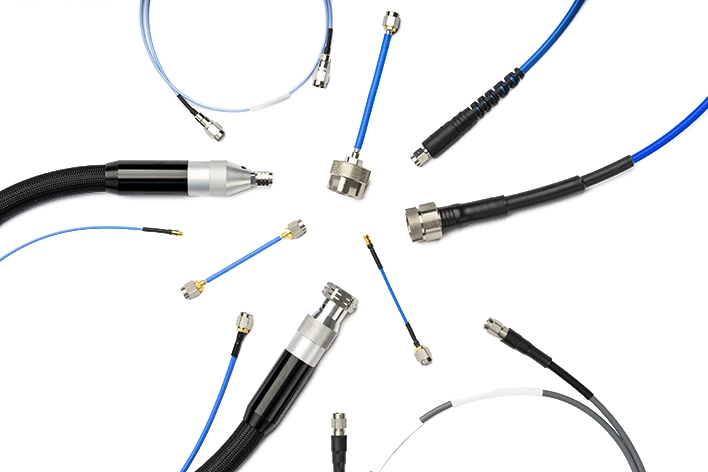
Introduction RF cable assemblies are essential components in modern communication systems, allowing high-frequency signals to travel seamlessly between electronic devices. These assemblies typically consist of coaxial cables paired with RF connectors, ensuring reliable signal transmission with minimal loss. In this guide, we’ll explore what an RF cable assembly is, its key components, different types of
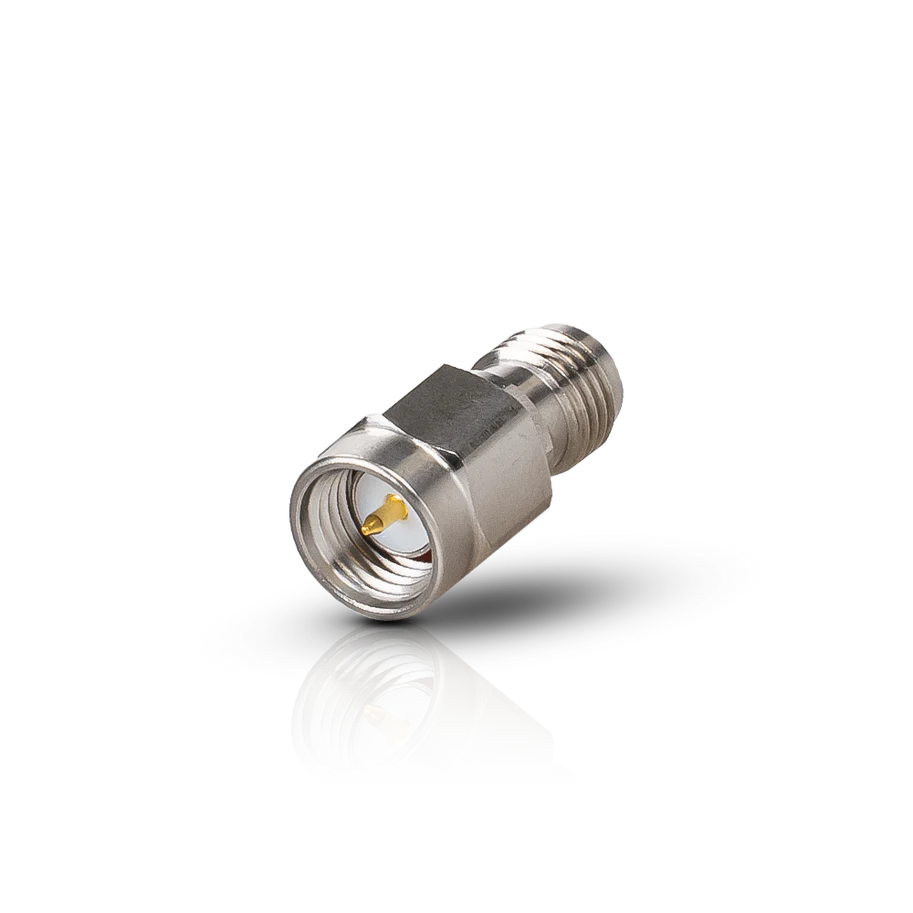
Introduction RF connectors are essential components in modern communication systems. They are widely used in applications such as wireless communication, test equipment, antennas, and RF cable assemblies. Among the many types of RF connectors available today, SMA connectors and BNC connectors are two of the most commonly used. Although both are designed to transmit radio
