by Angela
Share
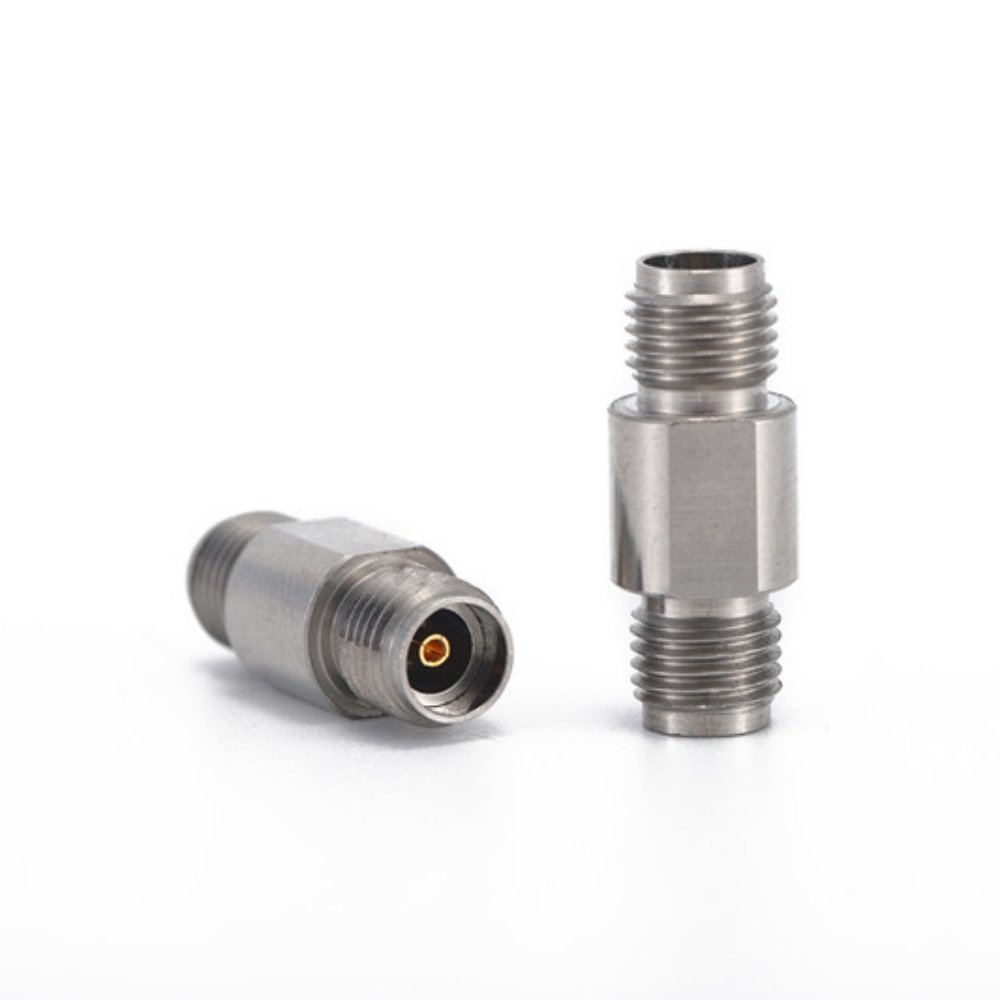
The 3.5mm adapter is an indispensable component for high-frequency 50-ohm RF systems, ensuring signal integrity and exceptional performance. Known for its precision and ability to operate at frequencies up to 34 GHz, this adapter is widely used across telecommunications, aerospace, and defense industries, where reliable RF connections are critical.
Why Choose the 3.5mm Adapter?
- Seamless Impedance Matching
Designed for minimal signal loss and reflection, the 3.5mm adapter maintains 50-ohm impedance, preventing degradation in high-frequency environments. - Durable Construction
Built with high-quality materials, it withstands repeated use, offering long-term reliability even in demanding applications.
Applications
- Telecommunications: Connect test equipment, verify performance of antennas and amplifiers, and ensure accurate signal measurement.
- Aerospace & Defense: Essential for radar systems and satellite communications, providing low-loss, high-frequency performance.
- Laboratories & Research: Ideal for testing and development, maintaining signal integrity for accurate results.
Conclusion:
For industries requiring high-frequency precision, the 3.5mm adapter is a trusted solution, delivering consistent performance and unmatched reliability in RF applications. Optimize your system today with this essential RF component!
STAY IN FOR MORE NEWS
Subscribe to our free newsletter.

In the world of high-frequency communication systems, **RF cables** are often the unsung heroes that carry critical signals. Whether it's for wireless communication, satellite links, or laboratory setups, selecting the right RF cable can make or break the reliability and performance of your system.

First of all, in the OTA environment, it is necessary to establish communication between the corresponding measurement tool and the measuring device, and then perform the corresponding measurement through the air test.

As a flexible customer-focused company, we offer several options to meet your different needs.

Choosing the wrong RF adapter can ruin your signal integrity. With so many connector types, how do you pick the right one? Let's simplify the process.
