
by Angela
Share
Introduction
In RF and microwave systems, different components often use different connector interfaces. Connecting these devices directly may not always be possible. This is where RF adapters become essential.
An RF adapter allows two RF connectors with different interfaces to be connected easily while maintaining proper impedance and signal performance. These adapters are widely used in RF test equipment, antenna installations, and communication systems.
Because RF signals operate at high frequencies, choosing the correct RF adapter is important to ensure minimal signal loss and reliable system performance.
What Is an RF Adapter?
An RF adapter is a connector device designed to join two RF connectors together. It may connect connectors of the same type or different types, depending on the system requirements.
RF adapters are commonly used when equipment from different manufacturers uses different connector standards. Instead of replacing cables or connectors, engineers can simply use an adapter to create the connection.
Most RF adapters are designed to maintain a 50-ohm impedance, which is the standard impedance for RF and microwave systems. Proper impedance matching helps reduce signal reflections and improves overall signal transmission.
Typical RF adapters connect components such as:
-
RF cables
-
antennas
-
test instruments
-
wireless communication equipment
With the right adapter, RF systems can be integrated quickly and efficiently.
Common Types of RF Adapters
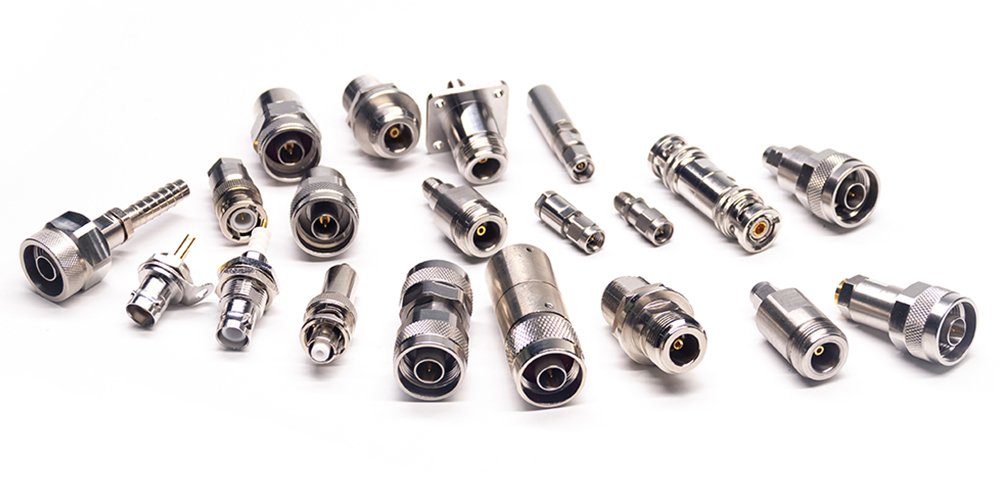
There are many RF adapter types available depending on the connector interfaces being used. Some of the most common ones include the following.
SMA to SMA Adapters
SMA adapters are among the most widely used RF adapters. An SMA to SMA adapter connects two SMA connectors and may be configured as:
-
male to female
-
female to female
-
male to male
SMA connectors are commonly used in RF and microwave systems because they support frequencies up to several gigahertz.
SMA to N Adapters
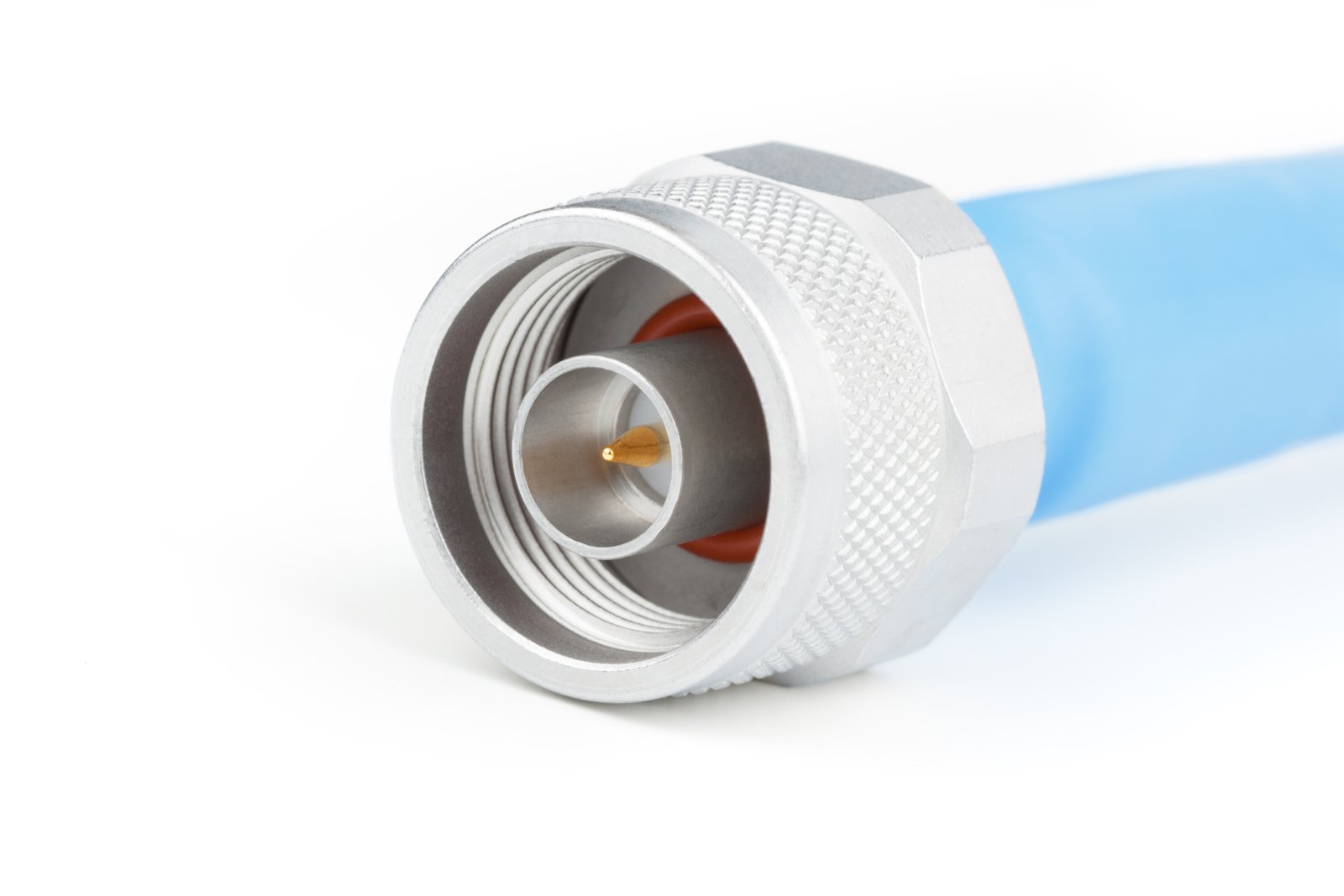
In many RF installations, devices may use SMA connectors while antennas or cables use N-type connectors. An SMA to N adapter makes it possible to connect these different interfaces without modifying existing equipment.
N-type connectors are often used in outdoor communication systems because they can handle higher power levels and provide good environmental durability.
BNC Adapters
BNC adapters are frequently used in RF test equipment and lower-frequency applications. BNC connectors feature a quick bayonet locking mechanism that allows easy installation and removal.
Adapters can convert BNC connectors to other interfaces such as SMA or TNC when needed.
TNC Adapters
TNC adapters are similar to BNC adapters but use a threaded connection instead of a bayonet lock. This threaded design provides better mechanical stability and improved performance at higher frequencies.
TNC connectors are commonly used in wireless communication systems and industrial equipment.
Precision RF Adapters
For high-frequency microwave applications, precision RF adapters are used. These adapters are manufactured with tight tolerances to ensure excellent electrical performance.
Precision RF adapters are commonly used in:
-
microwave testing systems
-
millimeter-wave measurement equipment
-
research laboratories
They are designed to maintain low signal loss and stable performance at high frequencies.
Applications of RF Adapters
RF adapters are widely used in many RF and microwave applications where flexible connectivity is required.
Test Equipment Setups
In RF laboratories, engineers frequently connect devices such as signal generators, spectrum analyzers, and vector network analyzers. Since different instruments may use different connector interfaces, RF adapters help create compatible connections.
Using adapters allows engineers to quickly build or modify RF test setups.
Antenna Installations
RF adapters are commonly used in antenna systems. Antennas may have different connector types than the RF cables or communication equipment used in the system.
Adapters make it possible to connect these components without replacing existing hardware.
Communication Systems
Modern communication systems often integrate equipment from different manufacturers. As a result, connector interfaces may vary.
RF adapters allow these systems to connect devices such as:
-
wireless modules
-
antennas
-
RF cables
-
base station equipment
This flexibility simplifies system integration and maintenance.
How to Choose the Right RF Adapter
When selecting an RF adapter, several factors should be considered to ensure proper performance.
Connector Type
Choose an adapter that matches the connector interfaces used in your RF system.
Frequency Range
Make sure the RF adapter supports the operating frequency of your application.
Impedance
Most RF systems use 50-ohm impedance, so the adapter should match this standard.
Mechanical Quality
High-quality materials and precision machining help ensure reliable connections and consistent electrical performance.
Selecting the correct RF adapter helps maintain signal integrity and reduces unwanted signal reflections.
| Learn more about our RF products here. |
Conclusion
RF adapters are small but critical components in RF and microwave systems. They allow engineers to connect devices with different connector interfaces quickly and efficiently.
From SMA adapters and N-type adapters to precision RF adapters, these components are widely used in RF test equipment, antenna installations, and communication systems.
By selecting high-quality RF adapters that match the connector type, frequency range, and impedance of your system, you can ensure reliable connections and optimal RF performance.
STAY IN FOR MORE NEWS
Subscribe to our free newsletter.
Introduction RF cable assemblies are essential components in modern communication systems, allowing high-frequency signals to travel seamlessly between electronic devices. These assemblies typically consist of coaxial cables paired with RF connectors, ensuring reliable signal transmission with minimal loss. In this guide, we’ll explore what an RF cable assembly is, its key components, different types of
Introduction RF connectors are essential components in modern communication systems. They are widely used in applications such as wireless communication, test equipment, antennas, and RF cable assemblies. Among the many types of RF connectors available today, SMA connectors and BNC connectors are two of the most commonly used. Although both are designed to transmit radio
The 3.5mm adapter is an indispensable component for high-frequency 50-ohm RF systems, ensuring signal integrity and exceptional performance. Known for its precision and ability to operate at frequencies up to 34 GHz, this adapter is widely used across telecommunications, aerospace, and defense industries, where reliable RF connections are critical. Why Choose the 3.5mm Adapter? Seamless
Did you know that the N-Type connector, a cornerstone of RF technology, has its roots in the 1940s? Originally designed for the U.S. Navy, this versatile connector has adapted to meet modern demands across telecommunications, defense, and high-frequency testing. The world of coaxial connectors has evolved into a vast array of types and standards, each
