
Categories: Knowledge

by Angela

Share

Categories: Knowledge

by Angela

Share

New Catalogue

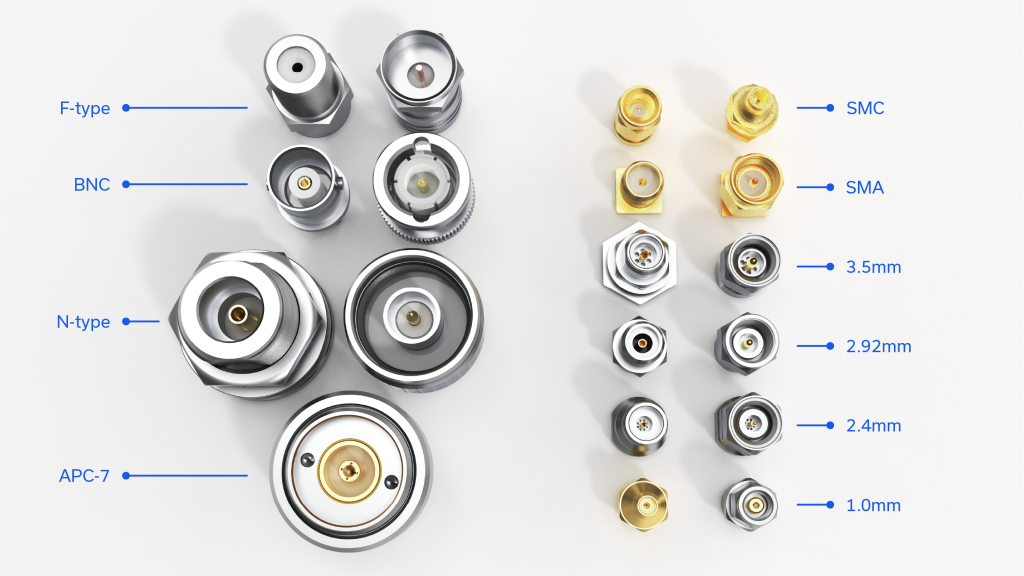
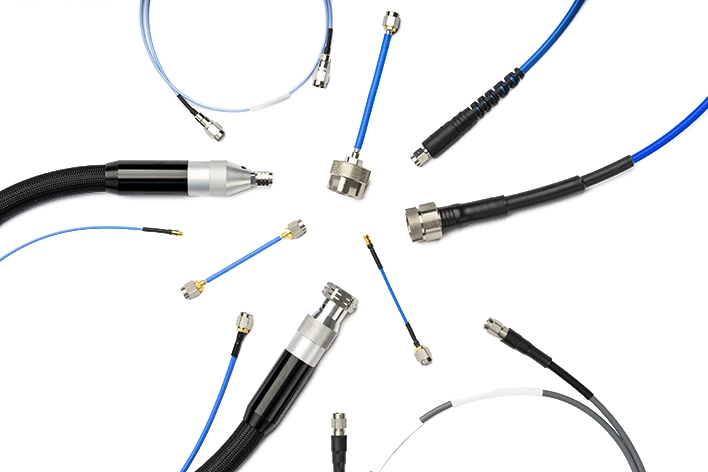
RF connectors are essential components in RF systems, enabling the transmission of high-frequency signals between devices. Understanding different RF connector types is crucial for ensuring proper system performance and minimizing signal loss. In this guide, we will explore the various types of RF connectors, their classifications, and common examples used in the industry.

Classification of RF Connectors

RF connectors can be classified based on their coupling mechanisms. The main categories include:

  1. Threaded Connectors: These connectors use threads to securely attach two components. They provide a reliable and stable connection, making them ideal for high-frequency applications.
  2. Bayonet Connectors: These connectors feature a twist-lock mechanism for quick and secure connection. They are commonly used in applications where frequent connections and disconnections are needed.
  3. Push-On Connectors: As the name suggests, these connectors allow for quick and easy connection by simply pushing them onto the mating part. They offer convenience but may not provide the same level of security as threaded or bayonet connectors.

Common RF Connector Types

Here are some of the most widely used RF connector types:

  1. SMA (SubMiniature version A): Known for its small size and reliable performance, SMA connectors are commonly used in both commercial and military RF applications. They are available in both threaded and non-threaded versions, with the threaded version offering superior stability.
  2. BNC (Bayonet Neill-Concelman): BNC connectors are frequently used in test equipment, communication systems, and broadcast applications. Their bayonet coupling mechanism makes them quick to install and remove, ideal for environments that require frequent connection changes.
  3. N Type: N-type connectors are larger and more robust, making them suitable for high-power and high-frequency applications. They are often used in telecom, broadcast, and radar systems.
  4. TNC (Threaded Neill-Concelman): Similar to BNC connectors but with a threaded coupling mechanism, TNC connectors offer a more secure connection, particularly in environments where vibration or movement is present.
  5. 2.4mm: These connectors are designed for very high-frequency applications, offering excellent performance up to 50 GHz. They are commonly used in laboratory and research environments for precision measurements.
  6. 2.92mm: Slightly larger than 2.4mm connectors, 2.92mm connectors are capable of handling frequencies up to 40 GHz. They are typically used in high-frequency systems, such as microwave communications.

Applications of RF Connectors

RF connectors are used in a wide variety of applications, including:

  • Telecommunications: RF connectors ensure stable signal transmission in mobile networks and satellite communications.
  • Broadcasting: High-quality RF connectors are critical for maintaining signal integrity in radio and television broadcasting.
  • Radar Systems: RF connectors are used in radar applications for reliable and secure connections.
  • Test and Measurement: RF connectors are essential in laboratory settings for connecting test equipment and ensuring accurate measurements.

Conclusion

Understanding RF connector types is key to selecting the right connector for your RF system. Each connector type has its unique features and applications, making it important to choose the right one based on frequency, power, and environmental factors. By using the correct connectors, you can ensure optimal performance and minimize signal loss in your RF systems.

Leave A Comment

4 × 4 =

STAY IN FOR MORE NEWS

Subscribe to our free newsletter.
Related Posts

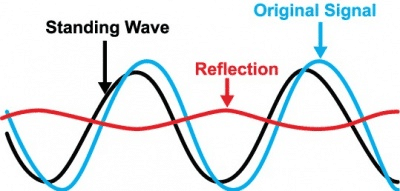
  • In the world of RF (Radio Frequency) systems, efficient power transmission is critical for the performance and reliability of communication systems. One of the most important parameters in ensuring efficient power transmission is VSWR (Voltage Standing Wave Ratio). In this blog, we’ll explore what VSWR is, its causes, and its effects on RF systems. What
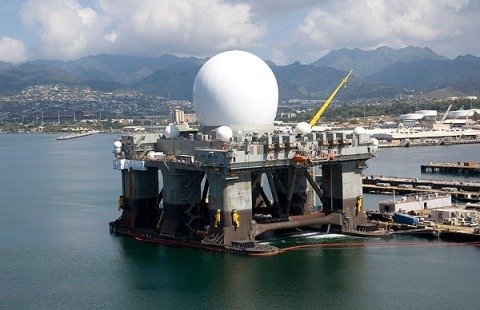
  • Basically, radar is used to collect the information related to the object or target like its range and location by radiating electromagnetic energy and examining the echo received from the distant object.
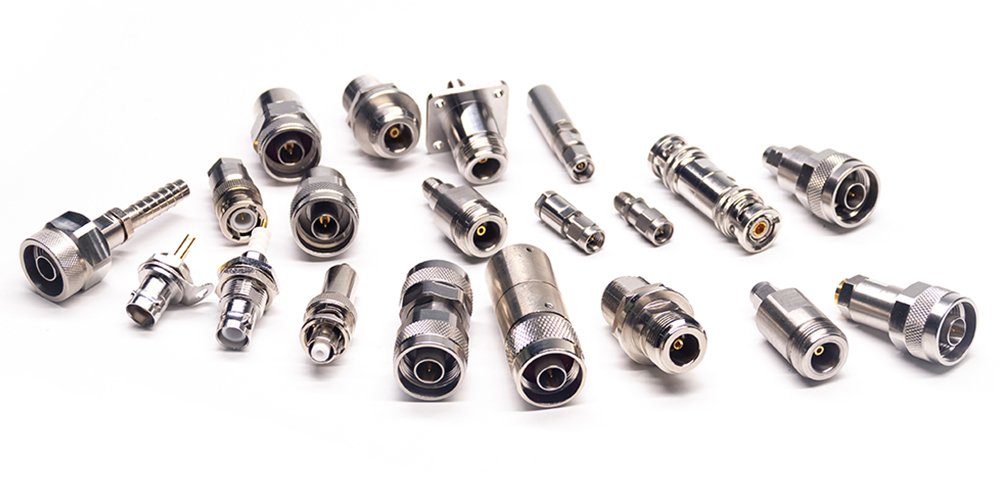
  • Introduction In RF and microwave systems, different components often use different connector interfaces. Connecting these devices directly may not always be possible. This is where RF adapters become essential. An RF adapter allows two RF connectors with different interfaces to be connected easily while maintaining proper impedance and signal performance. These adapters are widely used
  • Introduction RF cable assemblies are essential components in modern communication systems, allowing high-frequency signals to travel seamlessly between electronic devices. These assemblies typically consist of coaxial cables paired with RF connectors, ensuring reliable signal transmission with minimal loss. In this guide, we’ll explore what an RF cable assembly is, its key components, different types of