
by Angela
Share
Introduction
RF connectors are essential components in modern communication systems. They are widely used in applications such as wireless communication, test equipment, antennas, and RF cable assemblies. Among the many types of RF connectors available today, SMA connectors and BNC connectors are two of the most commonly used.
Although both are designed to transmit radio frequency signals, they differ significantly in terms of design, frequency range, size, and application scenarios.
In this article, we will explore the key differences between SMA and BNC connectors, their typical applications, and how to choose the right one for your RF system.
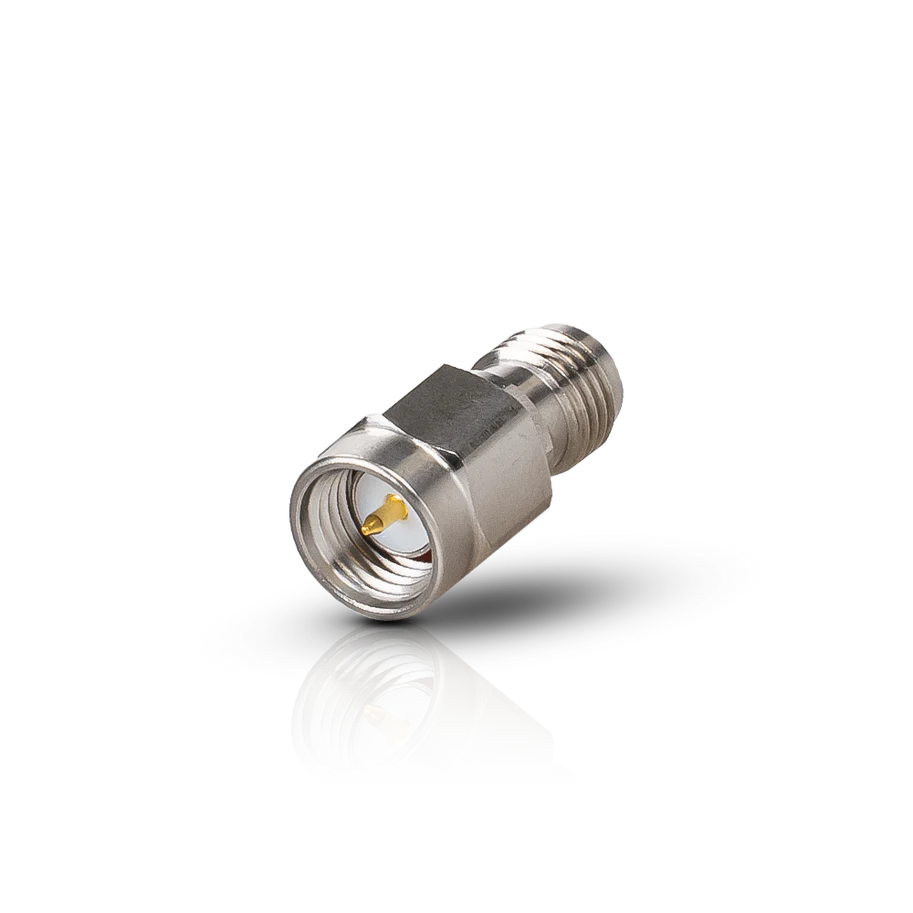
What Is an SMA Connector?
SMA (SubMiniature version A) connectors are compact, high-performance RF connectors designed for high-frequency applications. They use a threaded coupling mechanism to ensure a secure and stable connection.
SMA connectors are widely used in microwave systems and precision RF applications due to their excellent electrical performance.
Key Features of SMA Connectors
-
Threaded coupling design for secure connection
-
Small and compact size
-
High frequency capability (up to 18 GHz or higher)
-
50 Ohm impedance
-
Excellent performance in high-frequency environments
Common Applications of SMA Connectors
SMA connectors are commonly used in:
-
RF and microwave communication systems
-
5G and wireless infrastructure
-
Test and measurement equipment
-
GPS devices
-
Antennas
-
IoT communication modules
Because of their high-frequency performance and compact size, SMA connectors are widely used in modern electronic and communication devices.
What Is a BNC Connector?
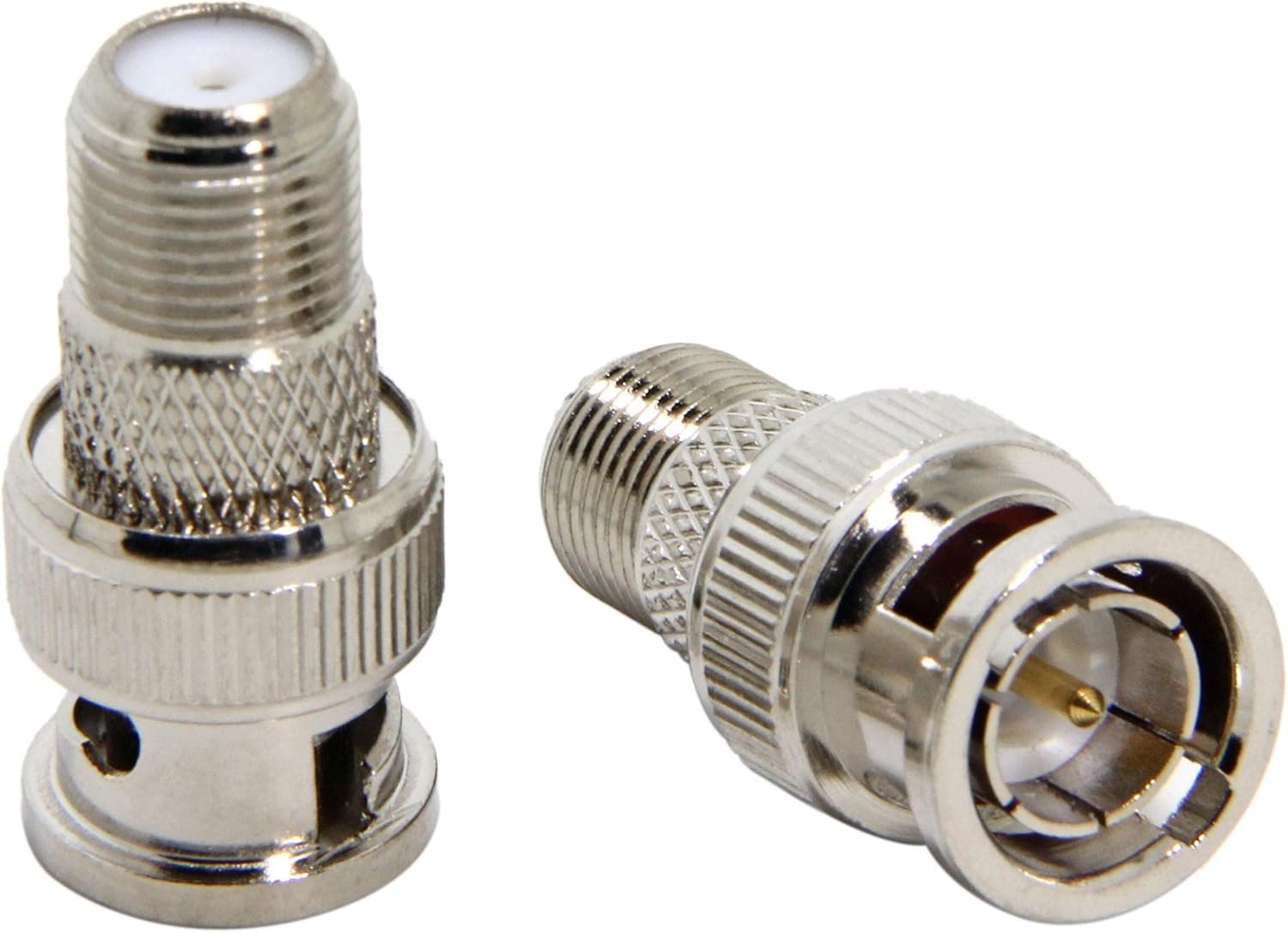
BNC (Bayonet Neill–Concelman) connectors are another popular type of RF connector known for their quick-connect and quick-disconnect design. They use a bayonet locking mechanism, which allows users to connect or disconnect the cable quickly.
BNC connectors have been widely used for decades in radio, video, and test equipment.
Key Features of BNC Connectors
-
Bayonet coupling mechanism for quick connection
-
Easy to install and remove
-
Supports 50 Ohm and 75 Ohm impedance
-
Reliable performance for medium-frequency applications
-
Durable and widely available
Common Applications of BNC Connectors
BNC connectors are often used in:
-
Video transmission systems
-
Broadcast equipment
-
CCTV systems
-
Test instruments and oscilloscopes
-
RF communication equipment
Due to their convenience and reliability, BNC connectors remain a popular choice in many RF and electronic systems.
SMA vs BNC Connector: Key Differences
Although both SMA and BNC connectors are used for RF signal transmission, they differ in several important aspects.
1. Coupling Mechanism
One of the biggest differences is the connection method.
-
SMA connectors use a threaded coupling mechanism that provides a very secure and stable connection.
-
BNC connectors use a bayonet-style locking system that allows for quick connection and removal.
SMA connectors are more secure for high-frequency systems, while BNC connectors are more convenient for quick operations.
2. Frequency Range
Frequency performance is another major difference.
-
SMA connectors: typically support frequencies up to 18 GHz or even higher.
-
BNC connectors: generally support frequencies up to about 4 GHz.
Because of this, SMA connectors are preferred for microwave and high-frequency applications.
3. Size and Design
SMA connectors are smaller and more compact compared to BNC connectors.
-
SMA: compact and lightweight
-
BNC: larger and easier to handle
This makes SMA connectors suitable for compact devices, while BNC connectors are often used in equipment where space is less restricted.
4. Typical Applications
Due to their performance characteristics, the two connectors are used in different environments.
SMA connectors are commonly used in:
-
RF modules
-
wireless communication devices
-
antennas
-
microwave systems
BNC connectors are commonly used in:
-
video transmission
-
CCTV systems
-
test equipment
-
broadcast systems
5. Installation Convenience
BNC connectors are much faster to connect and disconnect because of their bayonet design. This is especially useful in laboratory and testing environments where cables are frequently changed.
In contrast, SMA connectors require tightening the threaded coupling, which takes slightly more time but ensures a more secure connection.
How to Choose Between SMA and BNC Connectors
Choosing the right RF connector depends on several factors, including frequency requirements, application environment, and installation needs.
Choose SMA Connectors If:
-
Your system operates at high frequencies
-
Space is limited
-
You need stable and secure connections
-
The application involves microwave or RF modules
Choose BNC Connectors If:
-
Your system requires quick connection and disconnection
-
Frequency requirements are relatively lower
-
The connector is used in test equipment or video systems
Understanding your system requirements will help you select the most suitable RF connector.
Conclusion
Both SMA and BNC connectors play important roles in RF communication systems. SMA connectors are ideal for high-frequency, compact applications, while BNC connectors provide convenient and reliable connections for medium-frequency environments.
When selecting between the two, consider factors such as frequency range, connection stability, and ease of installation.
If you are looking for high-quality RF connectors or custom RF cable assemblies, working with a reliable manufacturer can help ensure stable signal transmission and long-term performance.
Learn more about our RF products here.
SMA Connector: https://reach-line.com/product-category/precision-coaxial-rf-microwave-mmwave-adapters/in-series/precision-sma-series/
STAY IN FOR MORE NEWS
Subscribe to our free newsletter.

Basically, radar is used to collect the information related to the object or target like its range and location by radiating electromagnetic energy and examining the echo received from the distant object.
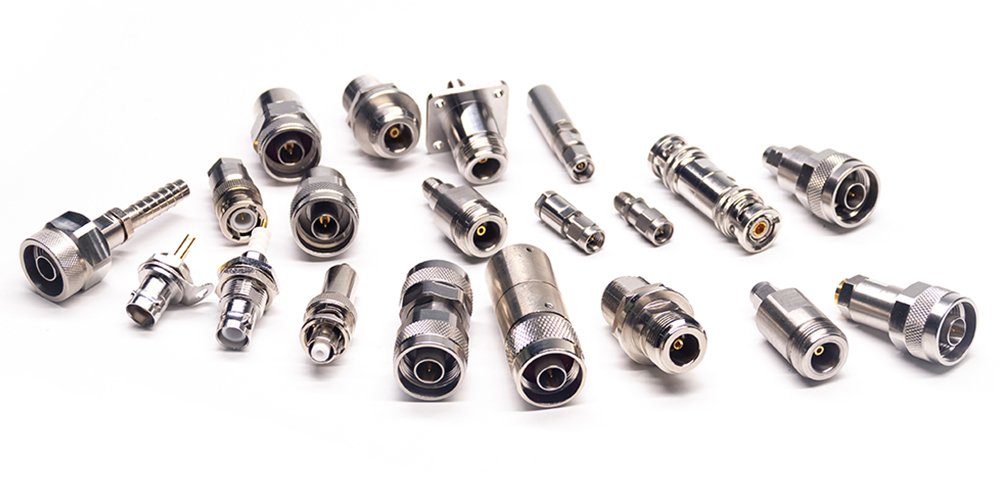
Introduction In RF and microwave systems, different components often use different connector interfaces. Connecting these devices directly may not always be possible. This is where RF adapters become essential. An RF adapter allows two RF connectors with different interfaces to be connected easily while maintaining proper impedance and signal performance. These adapters are widely used
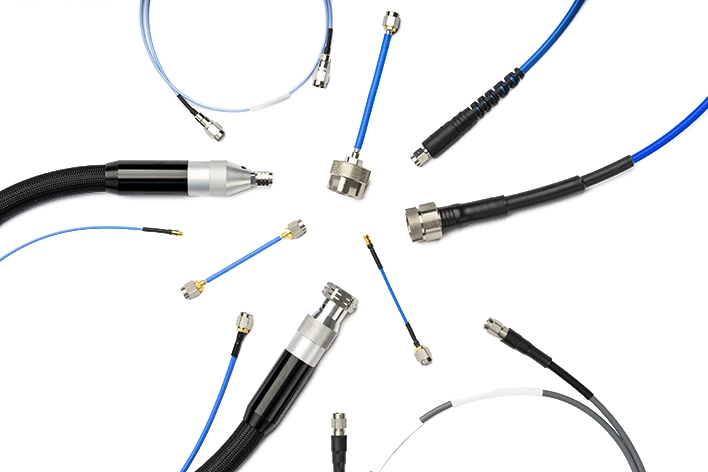
Introduction RF cable assemblies are essential components in modern communication systems, allowing high-frequency signals to travel seamlessly between electronic devices. These assemblies typically consist of coaxial cables paired with RF connectors, ensuring reliable signal transmission with minimal loss. In this guide, we’ll explore what an RF cable assembly is, its key components, different types of
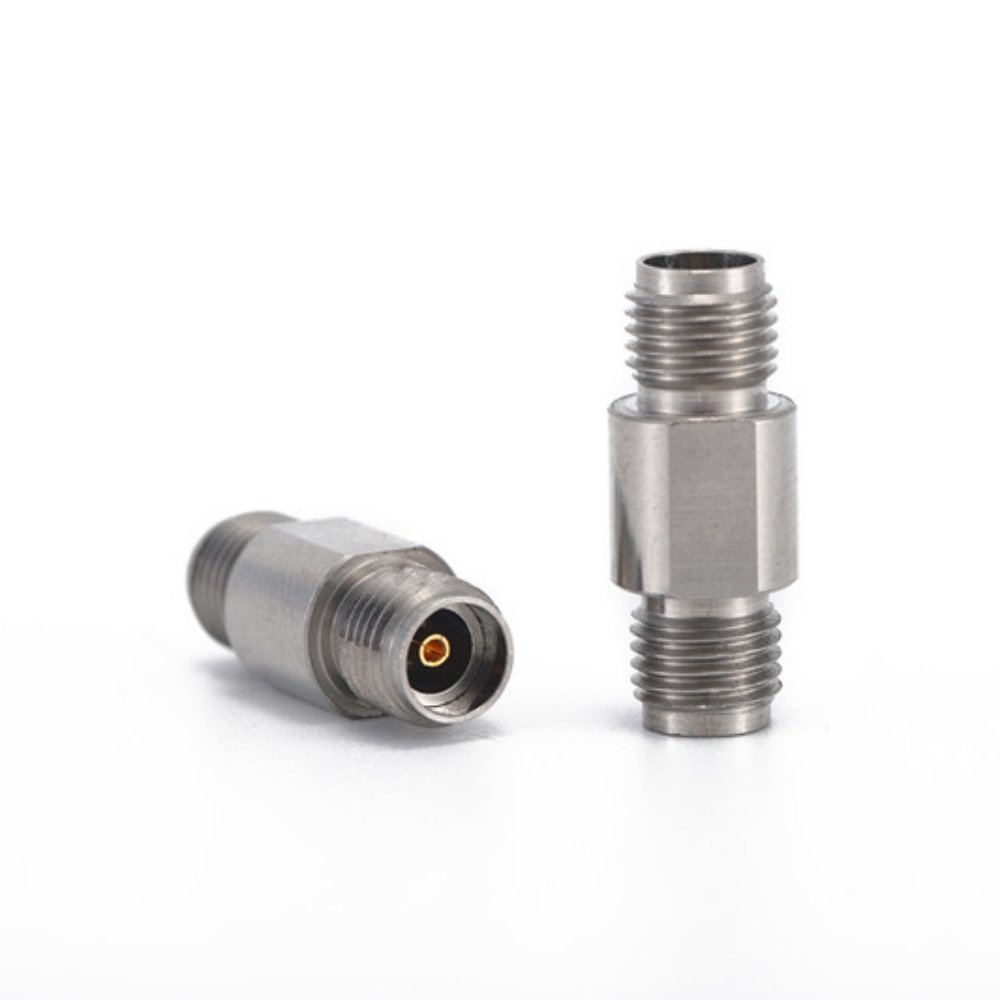
The 3.5mm adapter is an indispensable component for high-frequency 50-ohm RF systems, ensuring signal integrity and exceptional performance. Known for its precision and ability to operate at frequencies up to 34 GHz, this adapter is widely used across telecommunications, aerospace, and defense industries, where reliable RF connections are critical. Why Choose the 3.5mm Adapter? Seamless
