by Angela
Share

When working with RF systems, two key performance indicators often come up—VSWR (Voltage Standing Wave Ratio) and Return Loss. Though closely related, these two terms describe signal reflections in different ways. Understanding both is essential for evaluating signal integrity and optimizing RF transmission lines.
📈 What Is VSWR?
VSWR (Voltage Standing Wave Ratio) is a measure of how efficiently RF power is transmitted from a source to a load through a transmission line. It represents the ratio between the maximum and minimum voltages in a standing wave pattern along the line.
-
Ideal VSWR: 1:1 (perfect match, no reflection)
-
Typical Range: 1.0 (best) to ∞ (worst)
-
A high VSWR means more signal is being reflected back, which can lead to signal loss, heating, or equipment damage.
📉 What Is Return Loss?
Return Loss quantifies the amount of power that is reflected back toward the source, expressed in decibels (dB). It is calculated as the ratio of reflected power to incident power, on a logarithmic scale.
-
Higher Return Loss = Better Performance
-
For example, 20 dB return loss means only 1% of the power is reflected.
-
It’s a positive value, and the higher the number, the lower the reflection.
🔄 VSWR vs. Return Loss: Key Differences
Here’s a simplified comparison:
| Parameter | VSWR | Return Loss |
|---|---|---|
| Definition | Voltage ratio (Vmax/Vmin) | Reflected vs. incident power |
| Unit | Unitless ratio (e.g., 1.5:1) | Decibels (dB) |
| Ideal Value | 1:1 | ∞ dB |
| Reflection Quality | Low VSWR = better match | High RL = better match |
| Interpretation | Harder to measure directly | Easier with modern tools |
🔧 Which One Should You Use?
-
Return Loss is often preferred in design and testing because it directly represents signal quality and is easier to read using network analyzers.
-
VSWR is more common in specifications for antennas and connectors.
📌 Conclusion
Both VSWR and Return Loss provide insights into how well an RF system is performing. A good understanding of both helps engineers optimize their designs for low signal loss, minimal reflection, and high efficiency.
Need precision RF components designed for optimal VSWR and Return Loss? Visit Reach-line for high-performance RF connectors, cables, and test solutions.
STAY IN FOR MORE NEWS
Subscribe to our free newsletter.

If you are a newcomer in the RF industry, it must be difficult to distinguish VSWR and return loss. The following is a comparison table of VSWR and return loss.
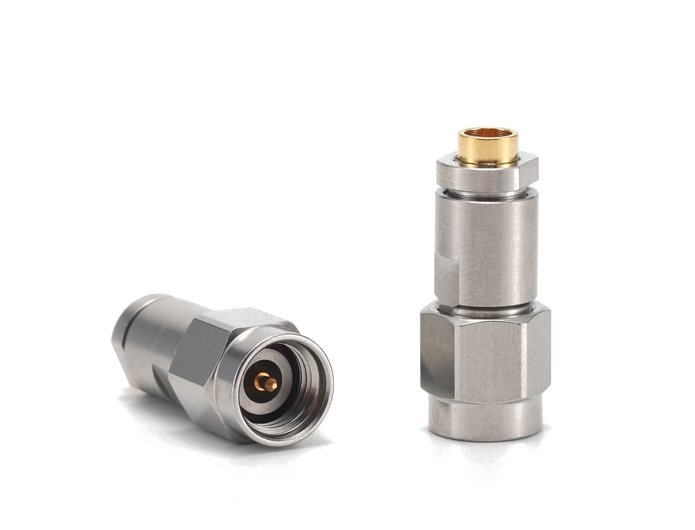
With options like SMA, N-Type, and 2.92mm available, picking the right one feels complex and mistakes can be costly. SMA is common up to 18 GHz, N-Type is larger and robust for power/outdoor use up to 11-18 GHz, while 2.92mm offers precision performance up to 40 GHz and is mechanically compatible with SMA. Selecting the
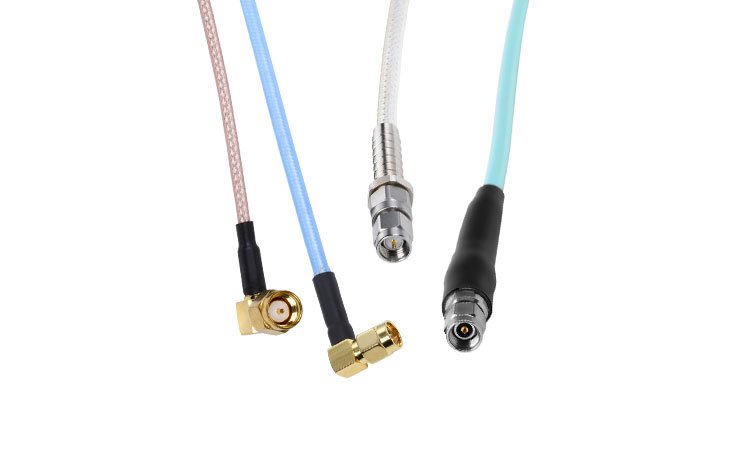
SMA connectors/adapters and cable assemblies are crucial components widely used in RF testing and measurement applications. These connectors are known for their miniature size, wide frequency range, and excellent electrical performance.
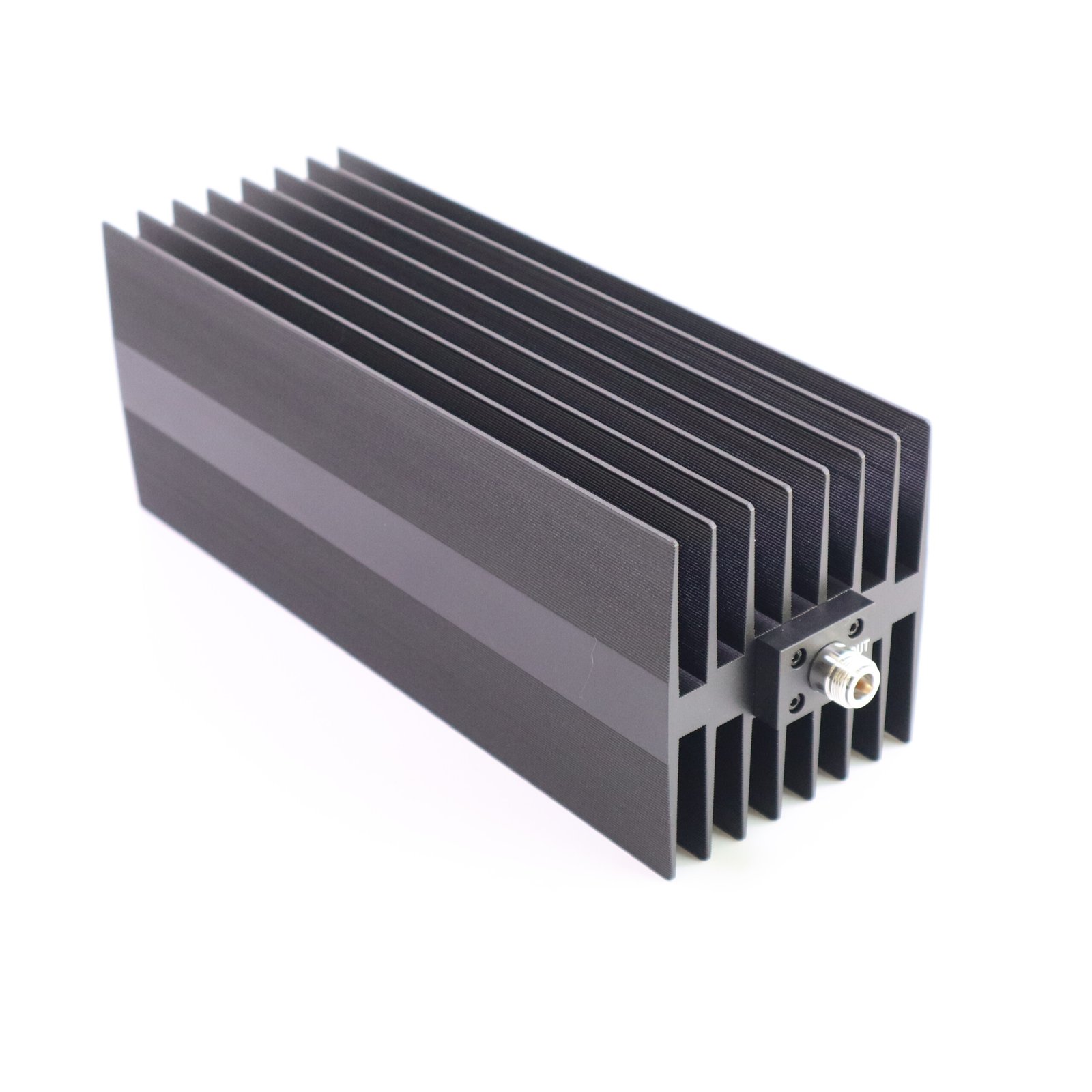
RF attenuators are essential components in many RF and microwave systems, designed to reduce the power of a signal without significantly affecting its integrity. Whether in test equipment, communication systems, or for signal protection, RF attenuators play a key role in ensuring optimal system performance. In this article, we will explore what an RF attenuator
