
by Angela
Share
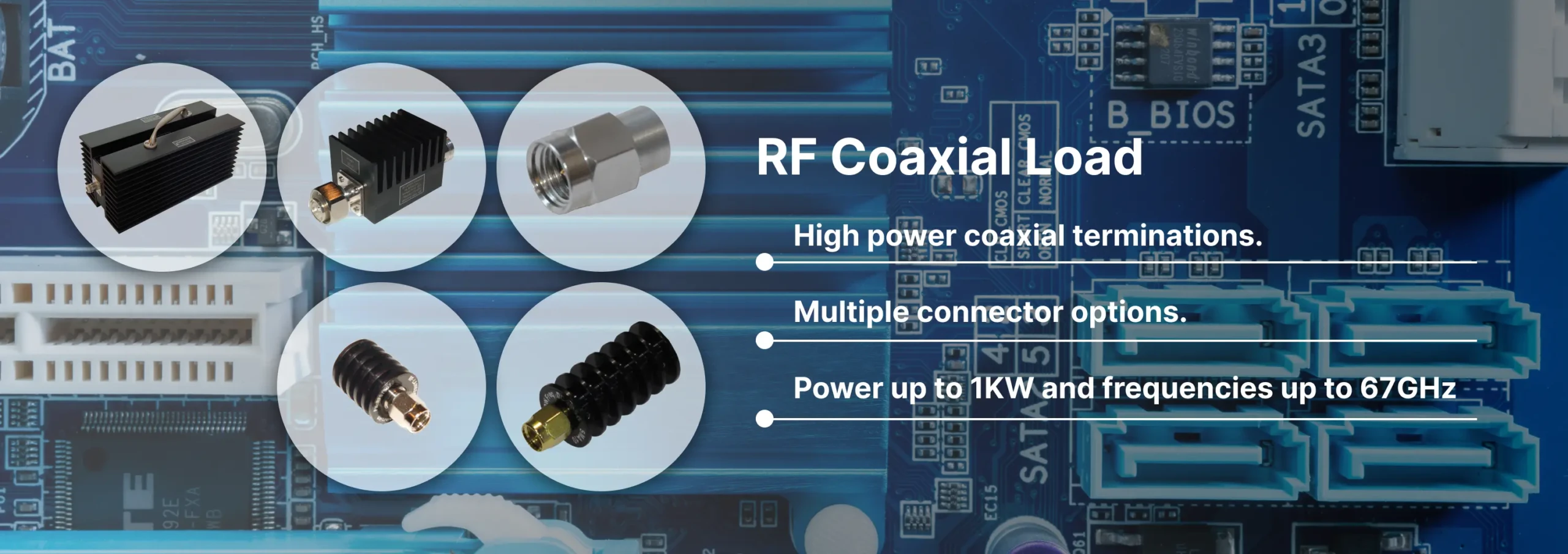
As RF systems evolve into millimeter-wave and sub-terahertz ranges, the need for precision terminations that can absorb power cleanly across wide frequency bands has never been greater. Reach-Line answers that need with a comprehensive line of terminations covering DC to 110 GHz and power levels from 1 W to 1000 W. For product details, visit Reach-Line terminations page: https://www.reach-line.com/terminations
Our termination series includes SMA, N-type, 2.92 mm, 2.4 mm and 1.85 mm connectors. With VSWR as low as 1.15, they provide the impedance match engineers depend on for accurate testing, load balancing and system protection. Whether tuning a 5G mmWave radio, validating satellite payloads or calibrating test benches, Reach-Line terminations ensure measurement confidence and operational stability. More info at https://www.reach-line.com/terminations
We also offer high-power terminations — up to 500 W and beyond — for demanding base-station, defense and laboratory applications. Every unit is built for durability, thermal stability and consistency over temperature and time.
As RF and microwave technologies accelerate toward higher frequencies and more complex waveforms, precision terminations are critical building blocks. Reach-Line supports projects with products engineered for performance, reliability and global standards compliance. Full catalog: https://www.reach-line.com/terminations
STAY IN FOR MORE NEWS
Subscribe to our free newsletter.
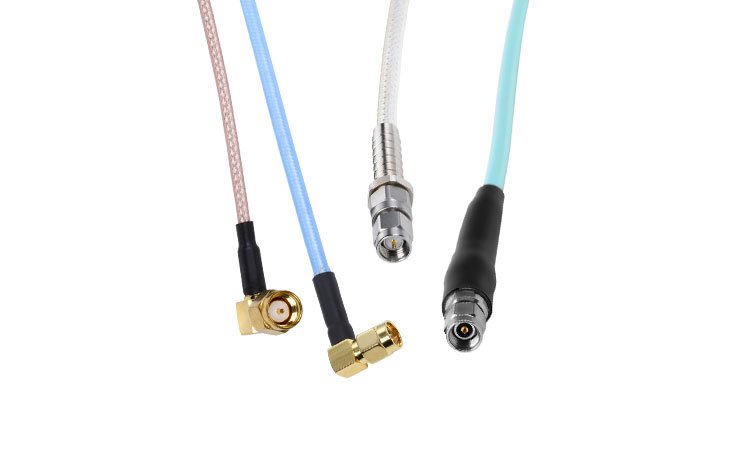
SMA connectors/adapters and cable assemblies are crucial components widely used in RF testing and measurement applications. These connectors are known for their miniature size, wide frequency range, and excellent electrical performance.

Basically, radar is used to collect the information related to the object or target like its range and location by radiating electromagnetic energy and examining the echo received from the distant object.
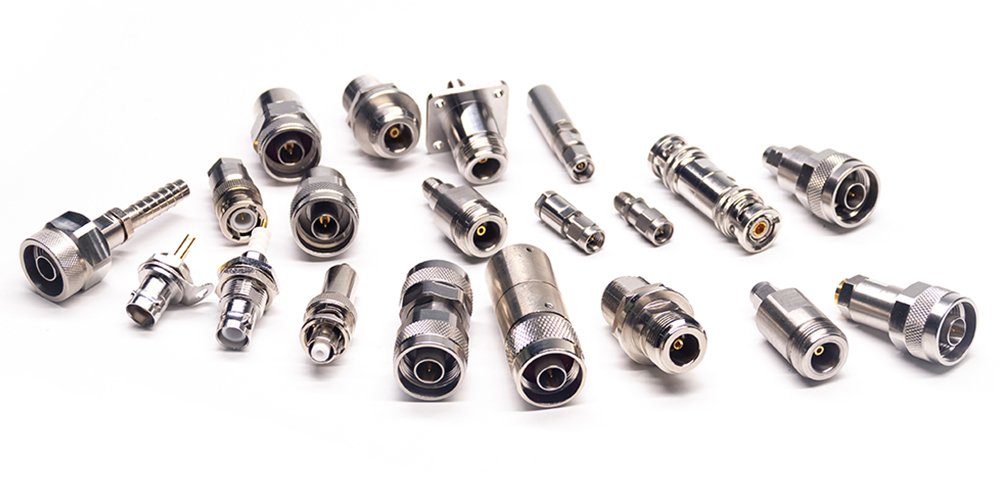
Introduction In RF and microwave systems, different components often use different connector interfaces. Connecting these devices directly may not always be possible. This is where RF adapters become essential. An RF adapter allows two RF connectors with different interfaces to be connected easily while maintaining proper impedance and signal performance. These adapters are widely used
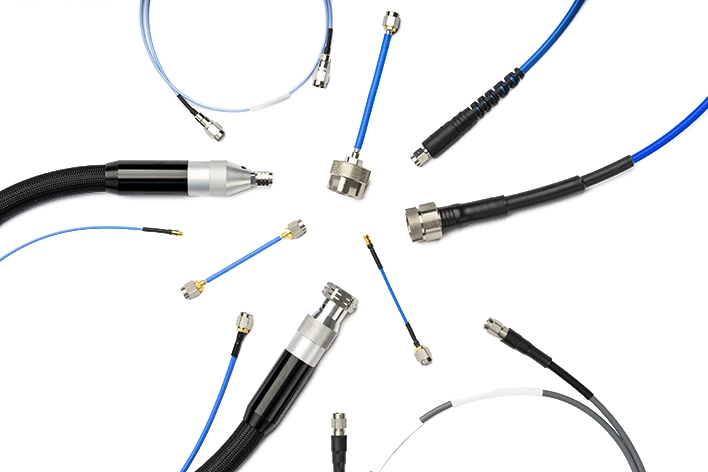
Introduction RF cable assemblies are essential components in modern communication systems, allowing high-frequency signals to travel seamlessly between electronic devices. These assemblies typically consist of coaxial cables paired with RF connectors, ensuring reliable signal transmission with minimal loss. In this guide, we’ll explore what an RF cable assembly is, its key components, different types of
