by Angela
Share

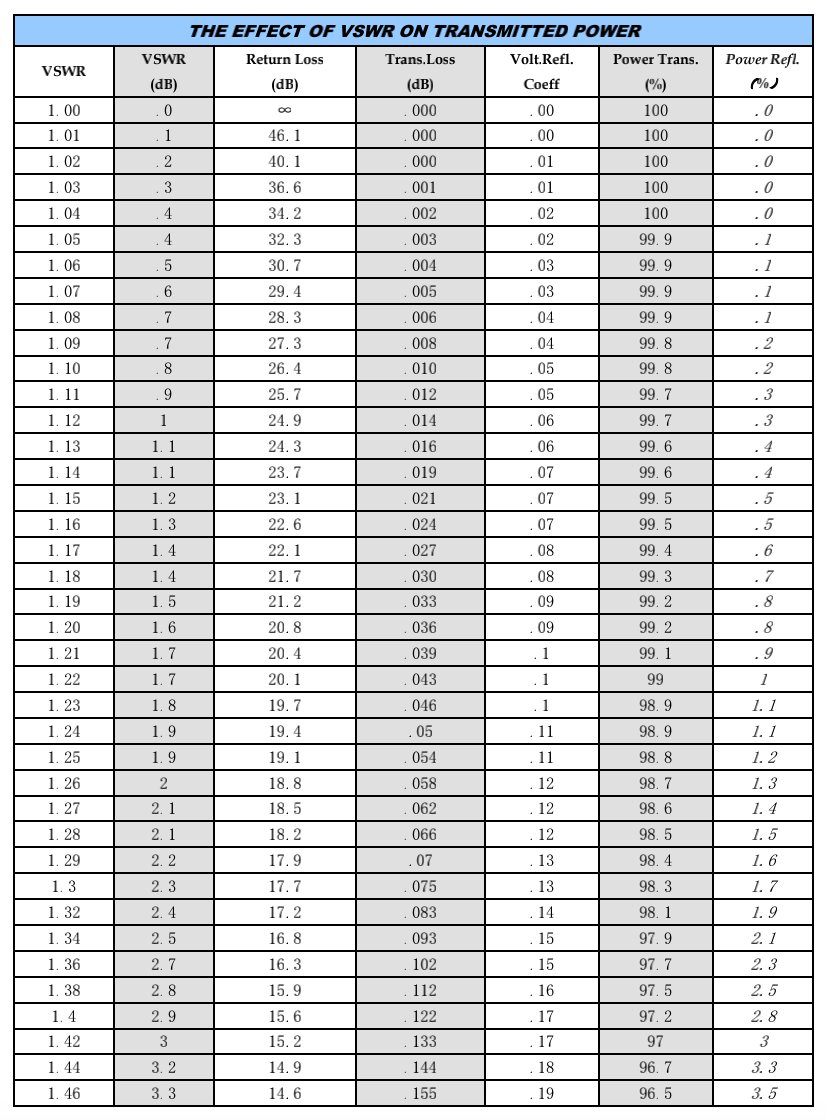
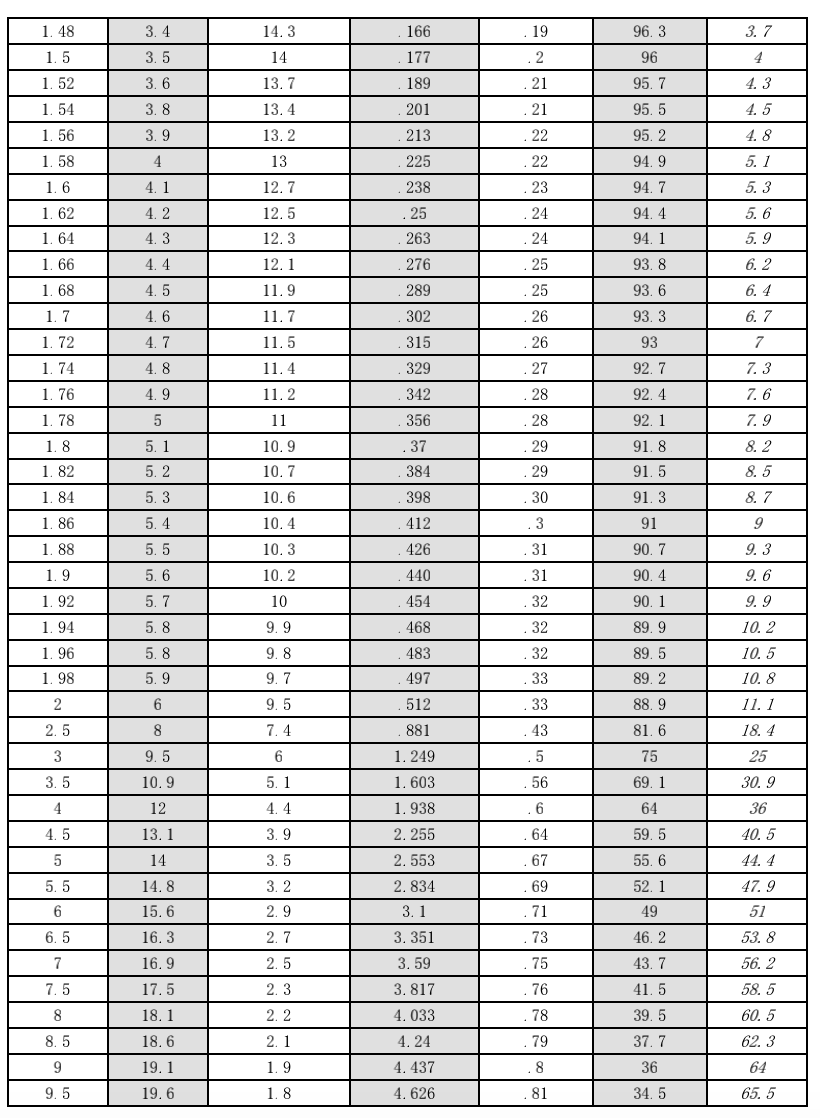
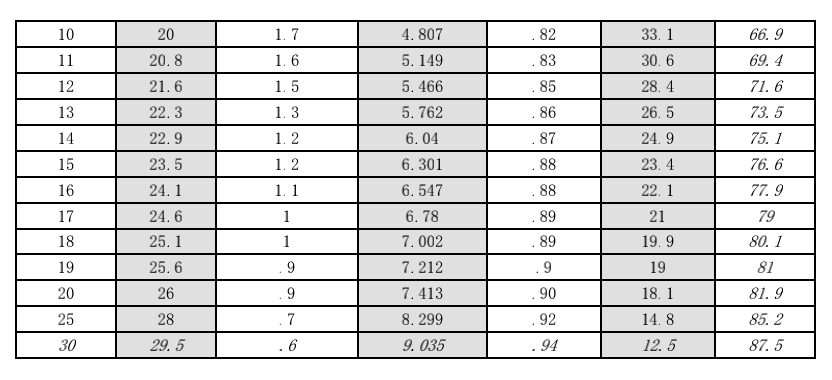
If you are a newcomer in the RF industry, it must be difficult to distinguish VSWR and return loss. The following is a comparison table of VSWR and return loss.
-
What is VSWR
VSWR ( (Voltage Standing Wave Ratio)is defined as the ratio of the maximum voltage to the minimum voltage in standing wave pattern along the length of a transmission line structure. It varies from 1 to (plus) infinity and is always positive. Unless you have a piece of slotted line-test equipment this is a hard definition to use, especially since the concept of voltage in a microwave structure has many interpretations.
-
What is Return loss (RL)
Return loss (RL) is the ratio of the reflected power to the incident power, in decibels (dB).
-
The Comparison table of VSWR and Return Loss
STAY IN FOR MORE NEWS
Subscribe to our free newsletter.
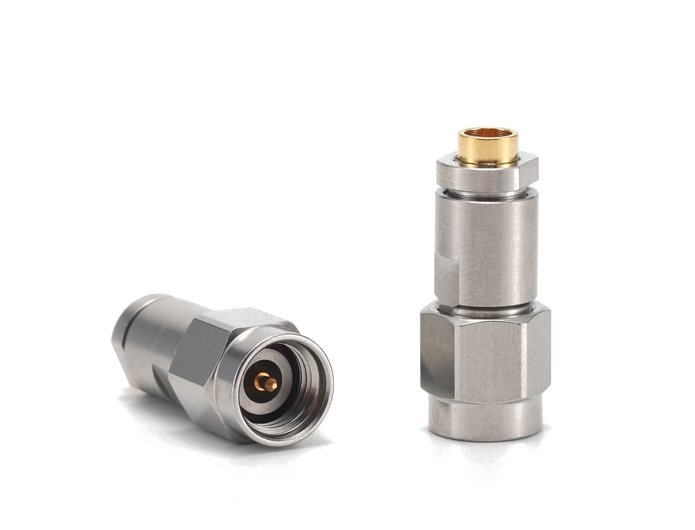
With options like SMA, N-Type, and 2.92mm available, picking the right one feels complex and mistakes can be costly. SMA is common up to 18 GHz, N-Type is larger and robust for power/outdoor use up to 11-18 GHz, while 2.92mm offers precision performance up to 40 GHz and is mechanically compatible with SMA. Selecting the
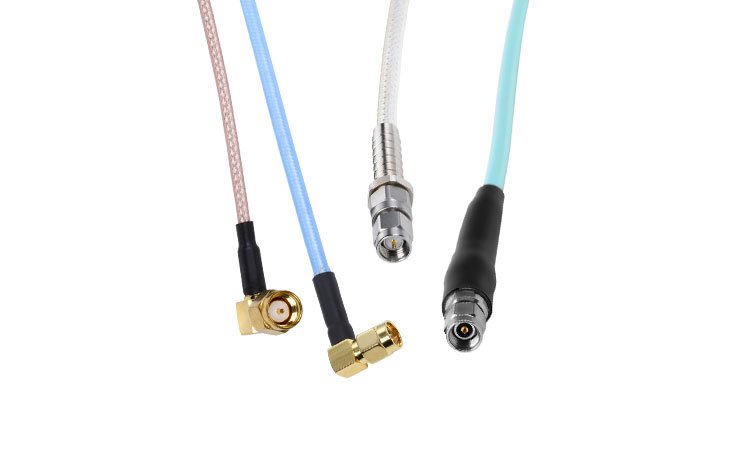
SMA connectors/adapters and cable assemblies are crucial components widely used in RF testing and measurement applications. These connectors are known for their miniature size, wide frequency range, and excellent electrical performance.
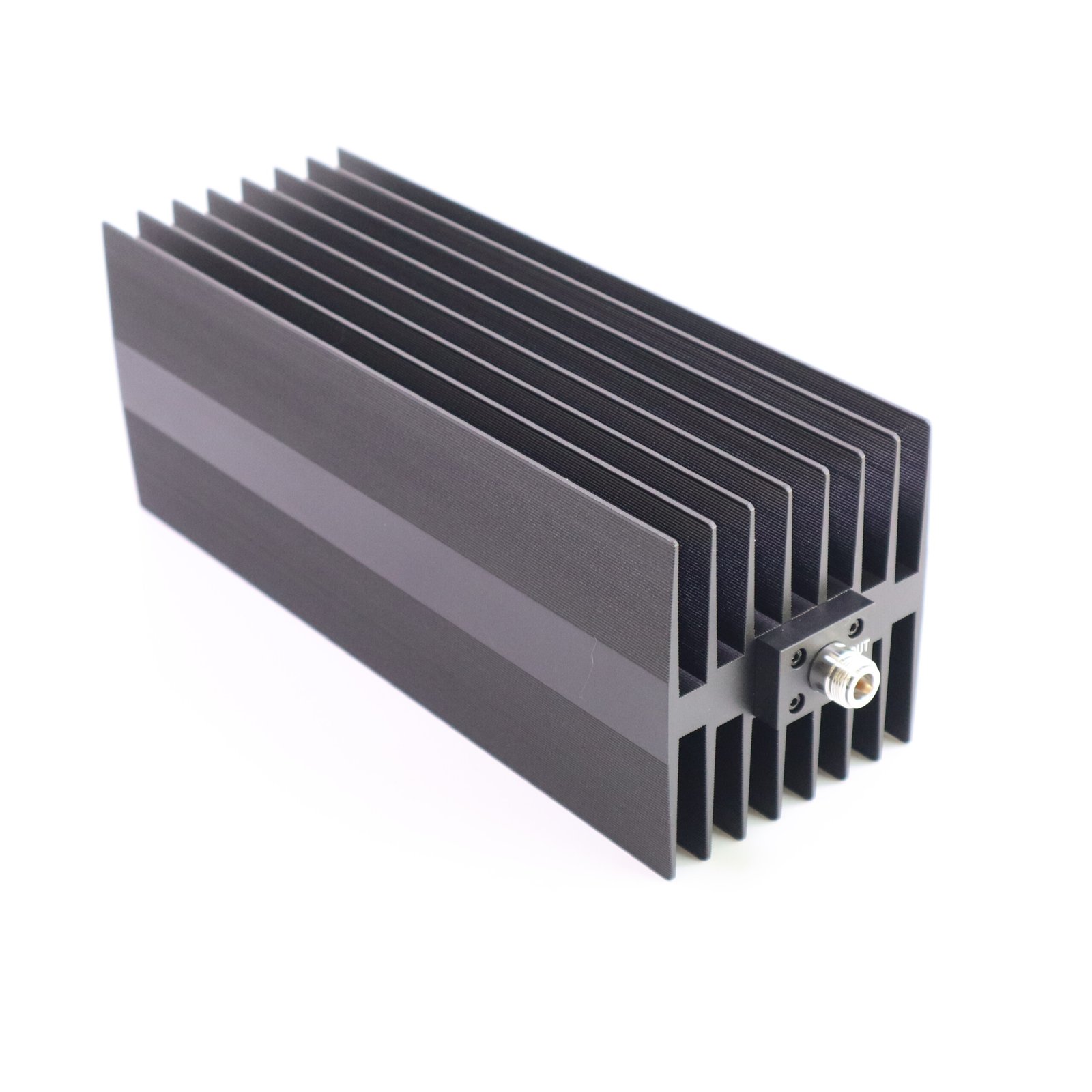
RF attenuators are essential components in many RF and microwave systems, designed to reduce the power of a signal without significantly affecting its integrity. Whether in test equipment, communication systems, or for signal protection, RF attenuators play a key role in ensuring optimal system performance. In this article, we will explore what an RF attenuator

RF, microwave, and millimeter-wave describe frequency ranges with distinct uses. RF covers 3 kHz to 300 GHz, including microwaves and mmWave. Microwaves occupy 300 MHz to 300 GHz, while mmWave strictly focuses on 30 GHz to 300 GHz. Each handles specific tech needs.
