by Angela
Share
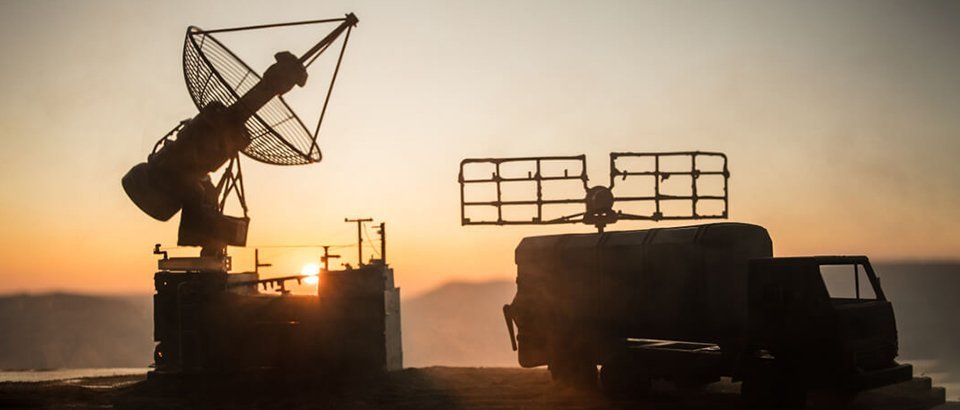
Radar systems are essential to modern detection and ranging technologies, widely used in aerospace, defense, automotive, weather monitoring, and beyond. But what exactly is radar, and how do radar frequency bands work? Let’s dive in.
🧭 What Is Radar?
RADAR stands for Radio Detection And Ranging. It works by transmitting electromagnetic waves through space and analyzing the echoes that bounce back from distant objects. This process enables radar systems to detect the presence, position, velocity, and size of targets such as aircraft, ships, or terrain features.
📡 What Are Radar Bands?
Radar bands define the specific frequency ranges at which radar systems operate. These frequencies determine the radar’s resolution, range, and application. The concept of radar bands dates back to World War II, where letters were used for confidentiality. These letter designations stuck and are still widely used today.
Most radar systems operate between 30 MHz and 300 GHz, corresponding to wavelengths from 10 meters down to 1 millimeter.
🔍 Common Radar Bands
Here’s a breakdown of the most commonly used radar bands:
| Band | Frequency Range | Common Applications |
|---|---|---|
| P Band | 230–1000 MHz | Over-the-horizon radar, foliage penetration |
| L Band | 1–2 GHz | Air traffic control, weather radar |
| S Band | 2–4 GHz | Surface ship radar, long-range weather radar |
| C Band | 4–8 GHz | Weather radar, satellite communications |
| X Band | 8–12.5 GHz | Military tracking, missile guidance, marine |
| Ku Band | 12.5–18 GHz | Satellite communications, police radar |
| K Band | 18–26.5 GHz | Short-range applications, altimeters |
| Ka Band | 26.5–40 GHz | High-resolution satellite radar, 5G systems |
🌐 Expanding Into Higher Frequencies
As technology evolves, radar systems are pushing into higher frequency ranges, including terahertz bands. These ultra-high-frequency ranges allow for even finer resolution and compact radar systems, playing a vital role in next-gen applications like autonomous driving and advanced imaging.
🔬 Other Microwave Bands Worth Knowing
Beyond the commonly used radar bands, the microwave frequency spectrum includes a wide array of designated bands for various RF and mmWave uses:
| Band | Frequency Range | Use Cases |
|---|---|---|
| Q Band | 30–50 GHz | Automotive radar, imaging |
| U Band | 40–60 GHz | Communication satellites |
| V Band | 50–75 GHz | Wireless gigabit networks |
| E Band | 60–90 GHz | High-capacity backhaul links |
| W Band | 75–110 GHz | Millimeter-wave radar systems |
| F Band | 90–140 GHz | Terahertz experiments, sensing |
| D Band | 110–170 GHz | Ultra-high resolution radar |
🚀 Final Thoughts
Understanding radar frequency bands is essential for RF engineers, system designers, and tech professionals working in advanced communication and sensing systems. Whether you’re integrating radar into aerospace platforms or building automotive driver-assist systems, choosing the right frequency band affects everything—from performance to regulatory compliance.
As demand for higher resolution and faster data increases, radar technology continues to evolve—pushing into terahertz territory and beyond.
🌟 Discover Precision RF Components from Reach-line
Need precision components for your radar systems? Reach-line offers a wide range of RF connectors, cable assemblies, and adapters designed for high-frequency applications, including X, Ku, K, Ka, and W bands.
🔗 Explore Reach-line’s product line to power your next radar innovation with reliability and performance.
STAY IN FOR MORE NEWS
Subscribe to our free newsletter.

If you are a newcomer in the RF industry, it must be difficult to distinguish VSWR and return loss. The following is a comparison table of VSWR and return loss.
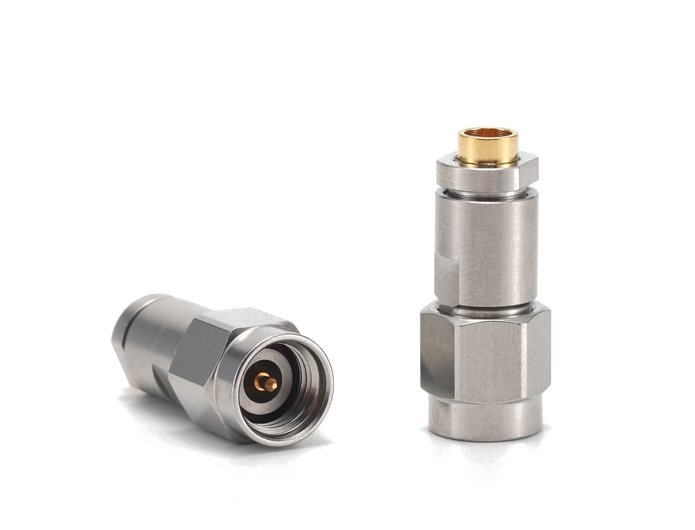
With options like SMA, N-Type, and 2.92mm available, picking the right one feels complex and mistakes can be costly. SMA is common up to 18 GHz, N-Type is larger and robust for power/outdoor use up to 11-18 GHz, while 2.92mm offers precision performance up to 40 GHz and is mechanically compatible with SMA. Selecting the
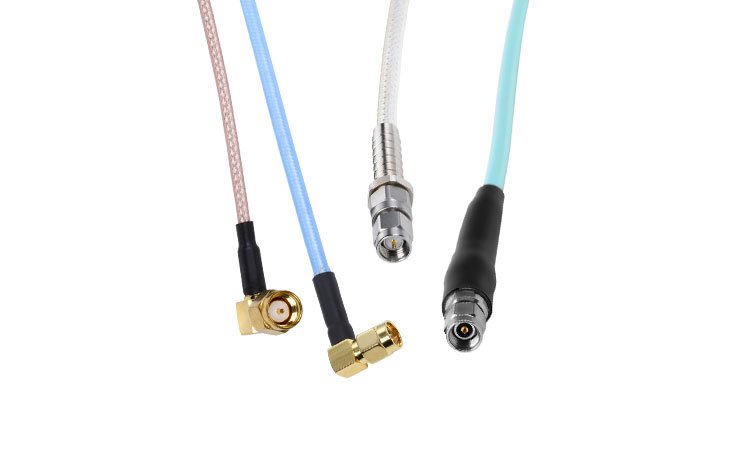
SMA connectors/adapters and cable assemblies are crucial components widely used in RF testing and measurement applications. These connectors are known for their miniature size, wide frequency range, and excellent electrical performance.
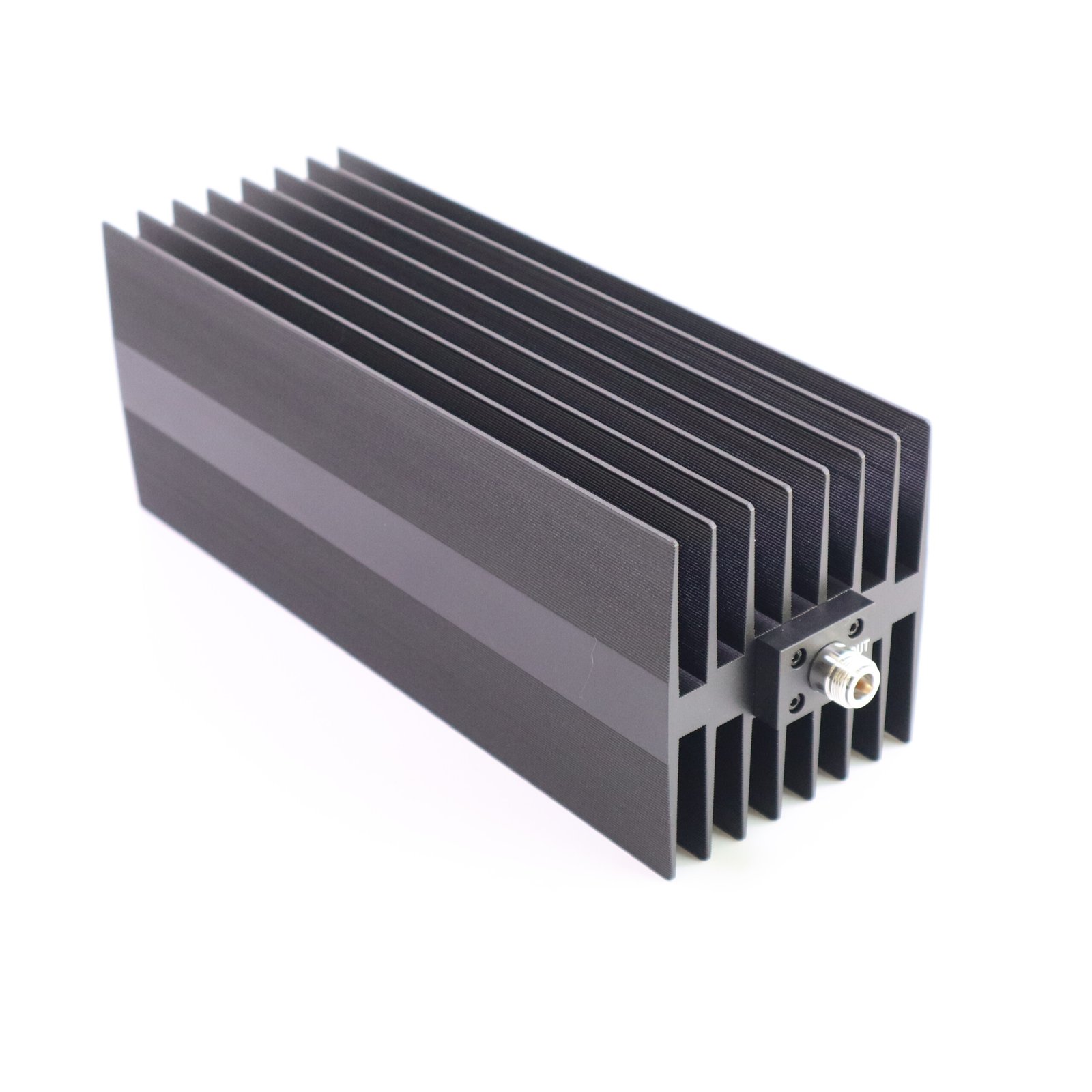
RF attenuators are essential components in many RF and microwave systems, designed to reduce the power of a signal without significantly affecting its integrity. Whether in test equipment, communication systems, or for signal protection, RF attenuators play a key role in ensuring optimal system performance. In this article, we will explore what an RF attenuator
