What Key Factors Dictate High-Power RF Passive Device Performance?
Struggling with passive parts failing in high-power RF? Ignoring key specs can lead to costly burnout or poor signals. Understand these factors first to ensure reliability.
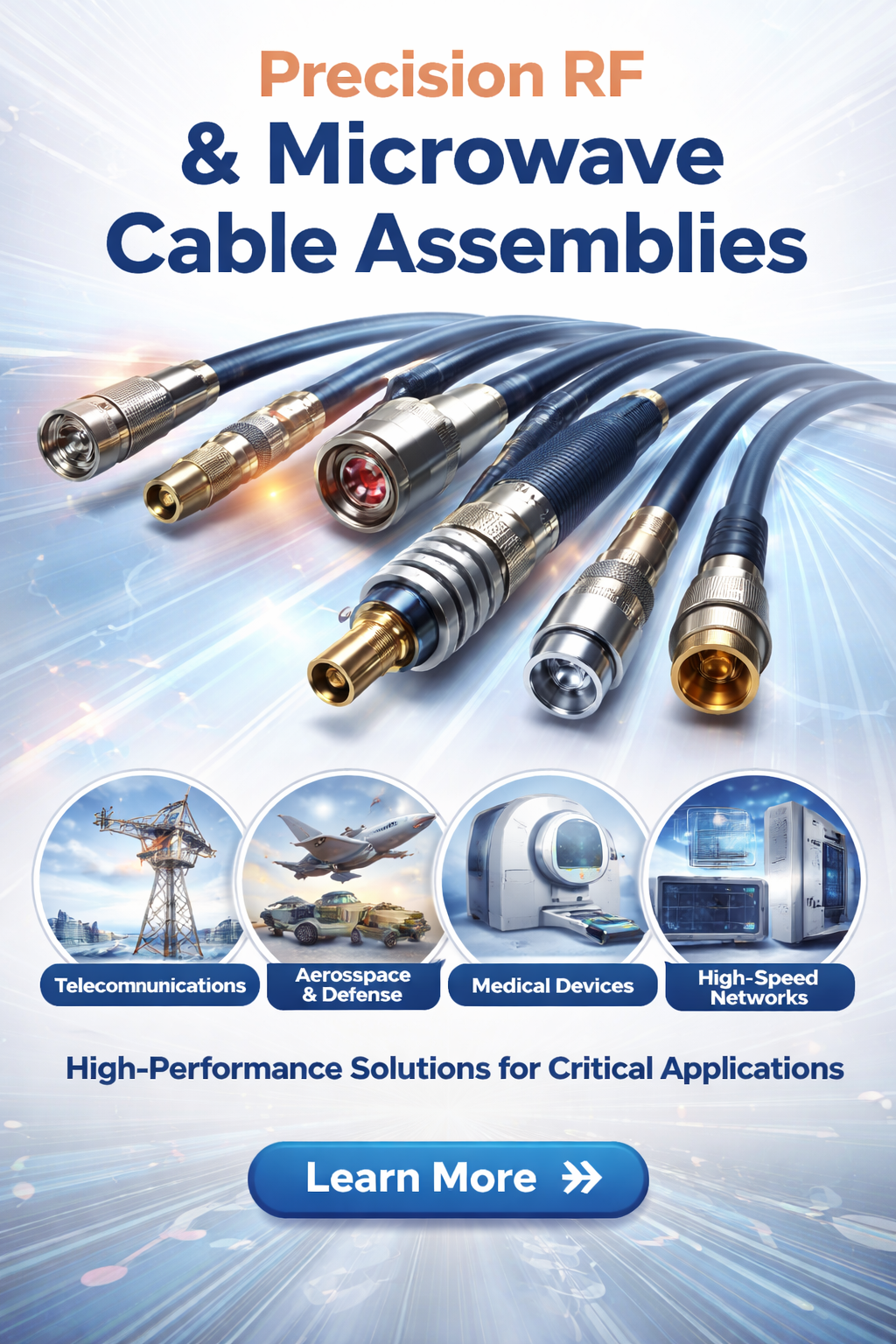
In the world of high-frequency communication systems, **RF cables** are often the unsung heroes that carry critical signals. Whether it's for wireless communication, satellite links, or laboratory setups, selecting the right RF cable can make or break the reliability and performance of your system.

An RF attenuator performing poorly can mess up your whole system. How do you know if that little component is actually doing its job right? Let's look at how you can check.
This guide will clarify key distinctions, explain common pitfalls, and help you make informed decisions when sourcing RF and microwave components.
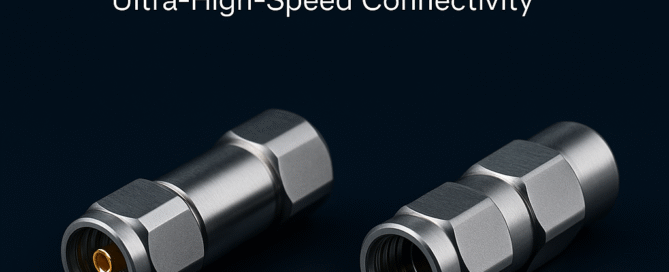
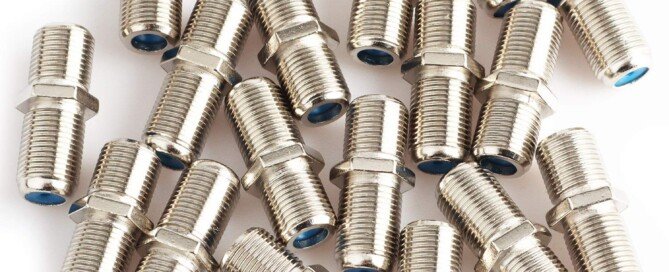
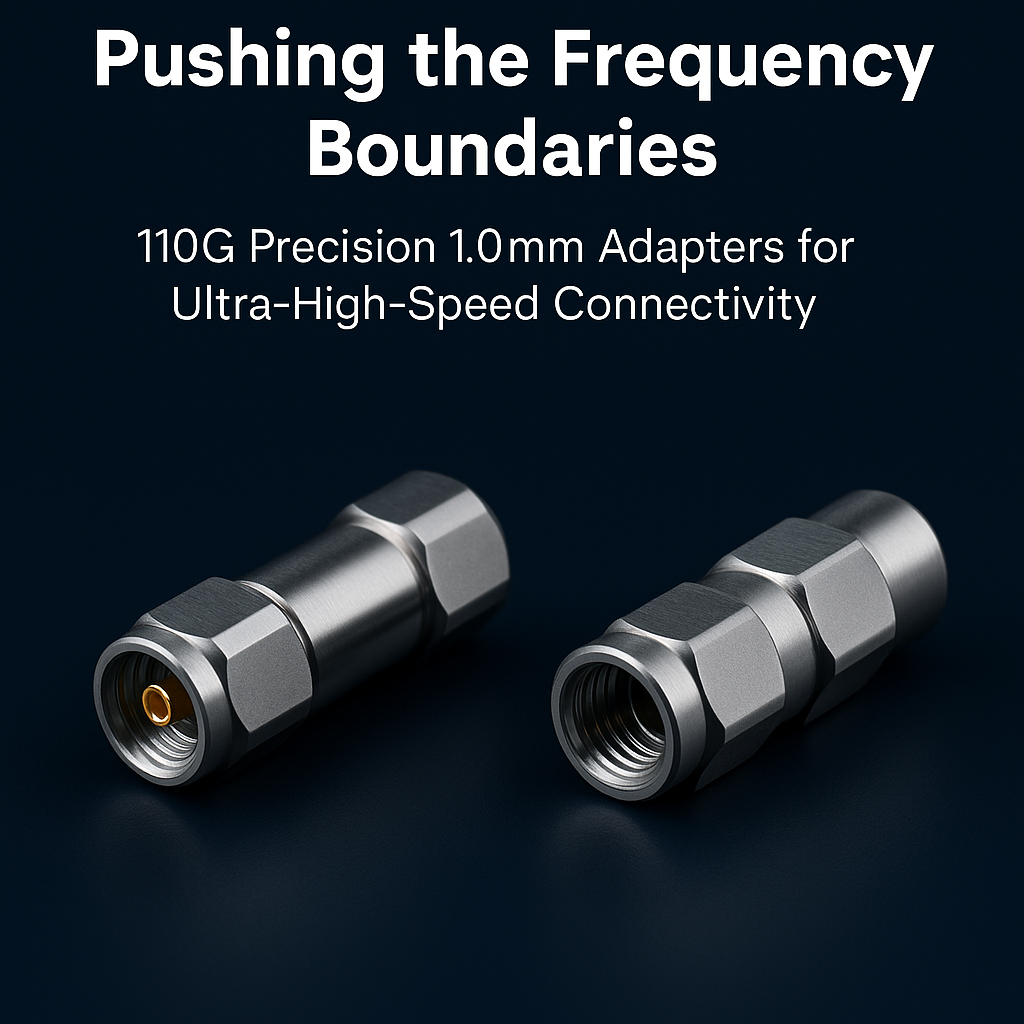
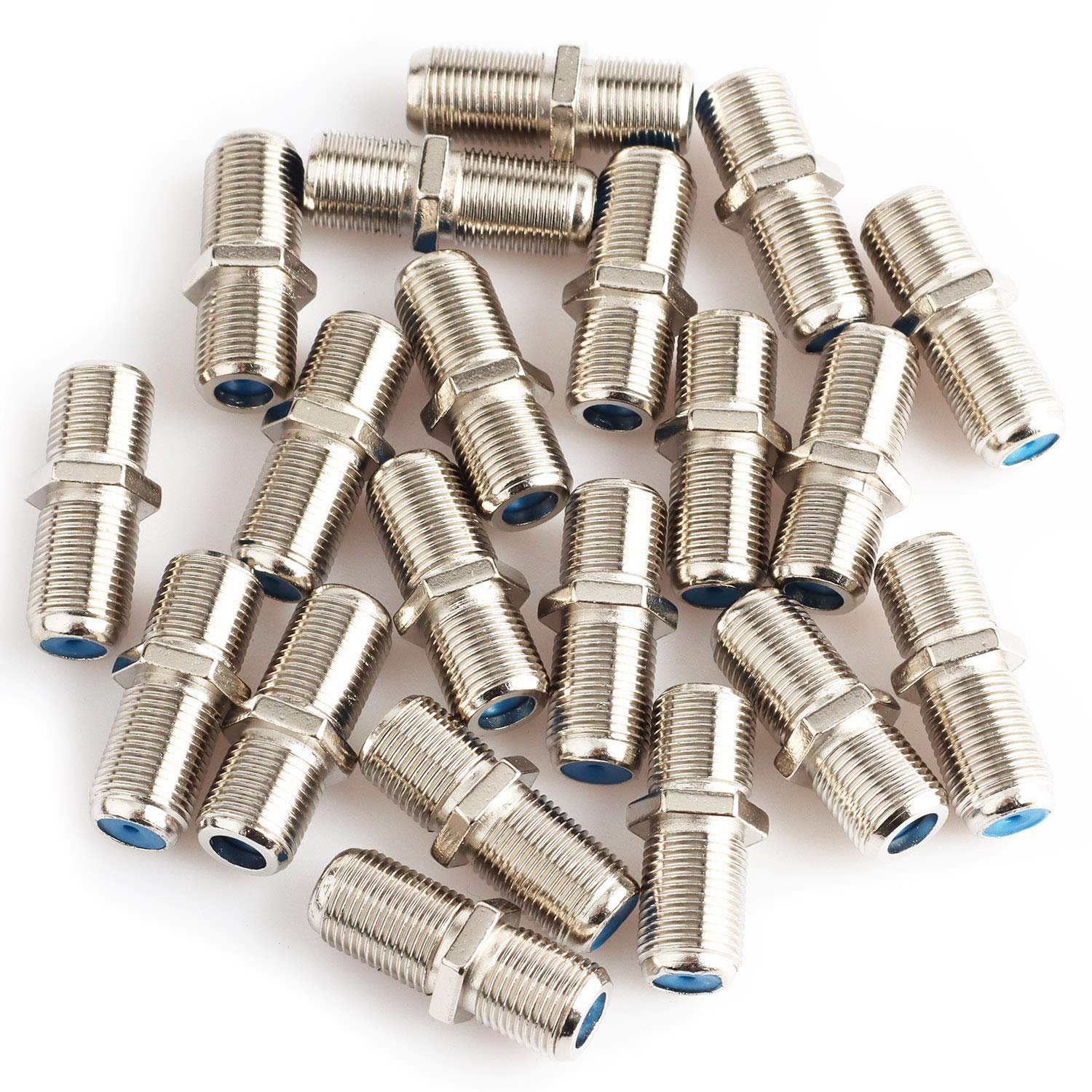
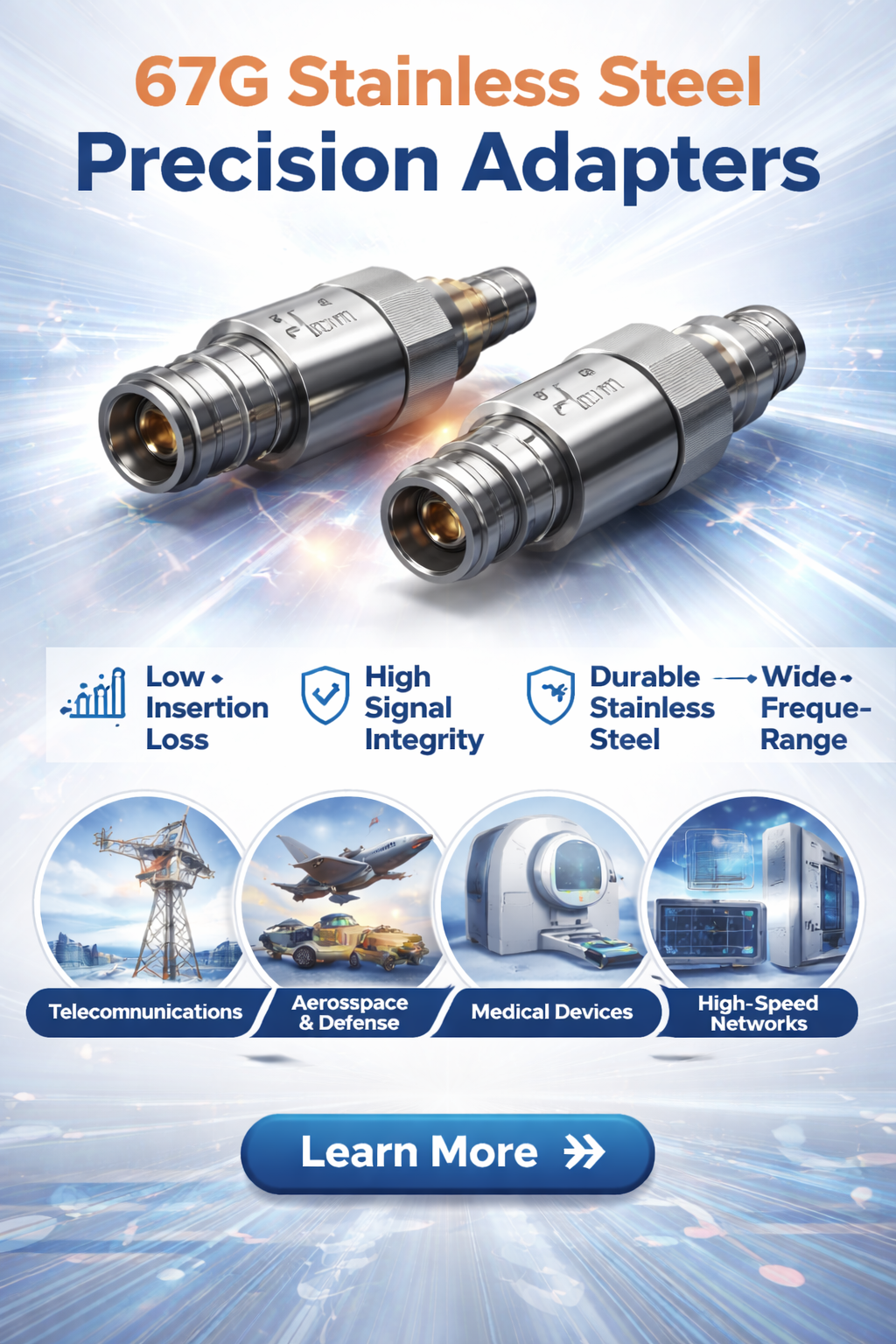
Choosing the wrong RF adapter can ruin your signal integrity. With so many connector types, how do you pick the right one? Let's simplify the process.
With options like SMA, N-Type, and 2.92mm available, picking the right one feels complex and mistakes can be costly. SMA is common up to 18 GHz, N-Type is larger and robust for power/outdoor use up to 11-18 GHz, while 2.92mm offers precision performance up to 40 GHz and is mechanically compatible with SMA. Selecting the
Struggling with signal loss in your RF system? Picking the wrong transmission line between waveguide and coax can degrade performance and cost you dearly. Let's compare them clearly to help you choose. Waveguides offer lower signal loss, especially above a few GHz, and handle higher power. Coaxial cables are flexible, easier to install, and work
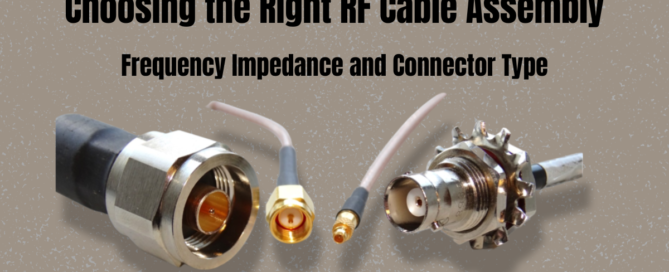
Selecting the right RF connector is crucial for ensuring efficient signal transmission and maintaining the overall performance of your RF system. Whether you’re designing a communication network, radar system, or testing equipment, choosing the right connector can make a significant difference. In this guide, we’ll break down the essential factors to consider when choosing an
In the world of electromagnetic waves, RF (Radio Frequency), Microwave, and Millimeter Wave (MMW) are essential frequency ranges used for communication and other technologies. While they share similarities, each band has unique characteristics and specific applications. In this blog, we will explore the differences between RF vs Microwave vs Millimeter Wave, their uses, and future
RF connectors are essential components in RF systems, enabling the transmission of high-frequency signals between devices. Understanding different RF connector types is crucial for ensuring proper system performance and minimizing signal loss. In this guide, we will explore the various types of RF connectors, their classifications, and common examples used in the industry. Classification of
In the world of RF (Radio Frequency) systems, efficient power transmission is critical for the performance and reliability of communication systems. One of the most important parameters in ensuring efficient power transmission is VSWR (Voltage Standing Wave Ratio). In this blog, we’ll explore what VSWR is, its causes, and its effects on RF systems. What
SMA connectors/adapters and cable assemblies are crucial components widely used in RF testing and measurement applications. These connectors are known for their miniature size, wide frequency range, and excellent electrical performance.